English
 Español
Why Copper Is Widely Used in Modern Industry
Why Copper Products Require High-Quality Polishing in Modern Manufacturing
Copper Products and Polishing
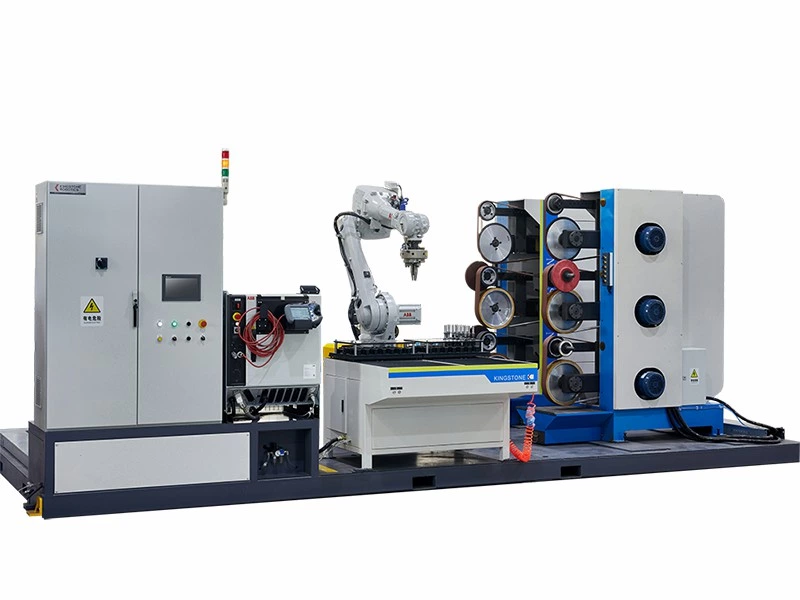
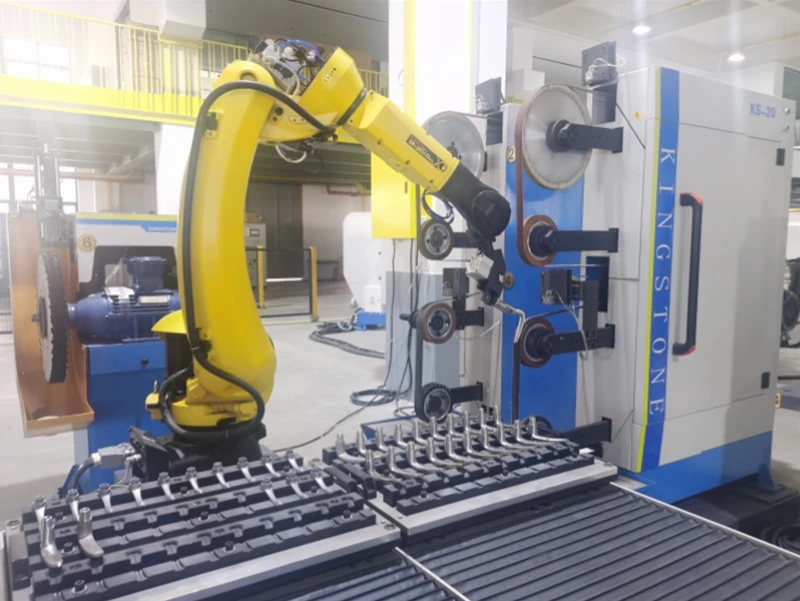
Copper products often require polishing to improve surface quality, remove oxidation, and enhance appearance. In modern manufacturing, robotic polishing machines are increasingly used to polish copper components efficiently and consistently, helping manufacturers achieve better surface finishes while improving production efficiency.
Copper is one of the most widely used metals in modern industry. Thanks to its excellent electrical conductivity, thermal performance, and durability, copper plays an essential role in a wide range of products—from household electronics to industrial machinery and renewable energy systems.
Because copper components are used in so many applications, their surface quality often becomes an important factor in both product performance and appearance. As a result, polishing and surface finishing processes are critical steps in the manufacturing of many copper products.
With the growth of automated manufacturing, robotic polishing solutions are increasingly being used to improve efficiency and ensure consistent quality.
Why Copper Is Widely Used in Modern Industry
Copper remains one of the most important engineering materials because it combines several valuable properties.
First, copper has extremely high electrical conductivity, making it ideal for electrical wiring, motors, transformers, and electronic circuits. Only silver offers slightly better conductivity, but copper is far more cost-effective for large-scale industrial use.
Copper also provides excellent thermal conductivity. It can transfer heat quickly and efficiently, which makes it suitable for cooling systems, heat exchangers, refrigeration equipment, and industrial temperature control systems.
In addition, copper is highly ductile. It can be drawn into very thin wires or rolled into thin sheets and foils used in electronic components and precision manufacturing.
Because of these characteristics, copper is widely used in industries such as electronics, automotive manufacturing, construction, energy systems, and advanced equipment manufacturing.
Common Copper Products Used in Industry
Copper is used to manufacture a wide variety of industrial and consumer products.
In the electronics industry, copper is used in printed circuit boards, electrical connectors, wiring systems, and communication equipment. These components depend on copper’s conductivity to transmit electrical signals efficiently.
In transportation and automotive manufacturing, copper is used in electric motors, radiators, braking systems, and wiring harnesses. Electric vehicles require even larger amounts of copper because of their battery systems and power electronics.
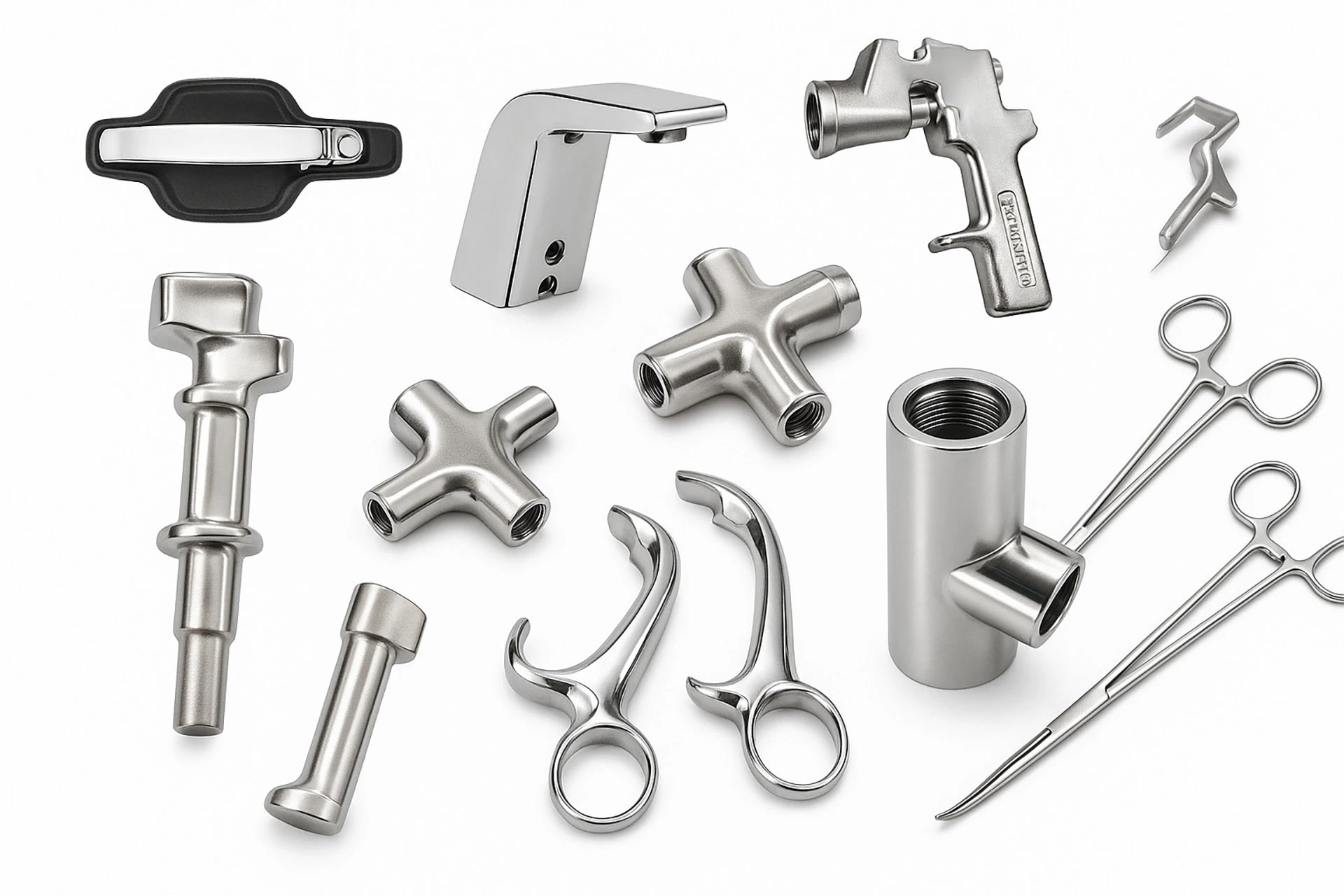
Copper is also widely used in mechanical equipment and industrial components. Bearings, valves, connectors, and many precision parts are often made from copper or copper alloys.
Many of these copper products require high-quality surface finishing to meet functional and aesthetic requirements.
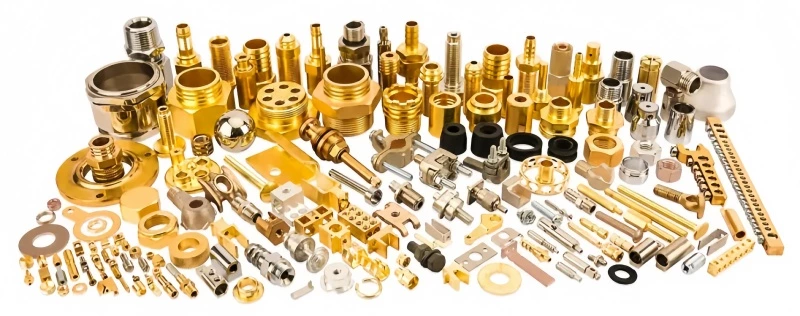
Why Copper Products Often Require Polishing
During manufacturing processes such as casting, machining, or forming, copper components may develop surface imperfections. These can include scratches, oxidation marks, burrs, or uneven textures.
For many applications, these surface conditions are not acceptable. Copper parts often need to be polished to achieve a smoother surface and better overall quality.
Polishing copper components can provide several benefits.
First, polishing improves the visual appearance of copper products, which is important for consumer goods, decorative components, and architectural applications.
Second, a smoother surface can reduce friction and wear in mechanical parts, improving performance and extending product lifespan.
Third, polishing helps remove surface contaminants and oxidation layers, which can improve corrosion resistance and electrical contact performance.
Because of these advantages, polishing is a common finishing process in the production of copper products.
Challenges of Traditional Copper Polishing
Although polishing is an important manufacturing step, traditional polishing methods often rely heavily on manual labor.
Manual polishing can be time-consuming and physically demanding. Workers must handle polishing tools for long periods, which can lead to inconsistent quality and fatigue.
In addition, maintaining uniform polishing results across large production batches can be difficult. Differences in operator skill, pressure, and polishing angle may cause variations in surface finish.
For manufacturers producing large quantities of copper parts, these limitations can affect production efficiency and product consistency.
As manufacturing industries move toward automation and smart factories, many companies are now looking for more efficient polishing solutions.
How Robotic Polishing Improves Copper Surface Finishing
Robotic polishing technology is becoming an increasingly popular solution for surface finishing processes.
Industrial robots can perform polishing operations with high precision and repeatability. Once the polishing program is set, robots can maintain consistent pressure, angle, and movement across every workpiece.
This consistency helps manufacturers achieve uniform surface finishes on copper components.
Robotic polishing systems also improve production efficiency. Robots can operate continuously with minimal downtime, making them well-suited for high-volume manufacturing environments.
Another advantage is improved workplace safety. Automated polishing systems reduce the need for workers to perform repetitive and physically demanding polishing tasks.
Because of these benefits, robotic polishing machines are now widely used in industries that require high-quality surface finishing for metal parts, including copper products.
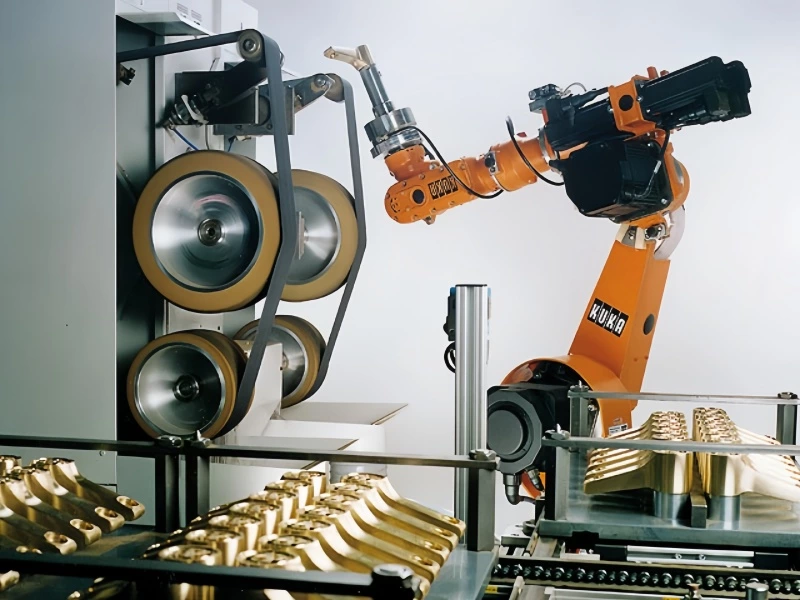
The Future of Copper Processing and Automated Polishing
As global manufacturing continues to adopt automation and intelligent production technologies, robotic surface finishing is expected to become increasingly common.
Industries that produce copper components—such as electronics, automotive manufacturing, and energy equipment—are constantly seeking ways to improve efficiency and product quality.
Automated polishing systems provide a practical solution for achieving consistent surface finishes while reducing labor intensity.
For manufacturers working with copper products, integrating robotic polishing technology can help increase productivity, improve surface quality, and support more advanced manufacturing processes.
Conclusion
Copper remains one of the most important materials in modern industry, supporting technologies ranging from electronics and transportation to renewable energy systems.
Because copper products are widely used in both functional and decorative applications, high-quality surface finishing is often essential.
Polishing plays a key role in improving the appearance, performance, and durability of copper components. With the rise of automated manufacturing, robotic polishing solutions are helping manufacturers achieve higher efficiency and more consistent results.
As industrial automation continues to advance, robotic polishing technology will play an increasingly important role in the processing of copper products.
Frequently Asked Questions About Copper Polishing
Why do copper products need polishing?
Copper products often require polishing to remove oxidation, surface scratches, and machining marks. Polishing also improves the appearance of copper components and helps achieve smoother surfaces that enhance performance in certain applications.
Is copper difficult to polish?
Copper is relatively soft compared to many other metals, which makes it easier to polish in some cases. However, copper can also oxidize quickly and may require specific polishing techniques to achieve a uniform surface finish.
What industries require polished copper components?
Polished copper components are commonly used in industries such as electronics manufacturing, automotive production, decorative hardware, architectural applications, and energy equipment.
What are the advantages of robotic polishing for copper products?
Robotic polishing systems provide consistent pressure, speed, and movement during the polishing process. This improves surface quality, reduces labor intensity, and increases production efficiency, especially in high-volume manufacturing environments.