English
 Español
robotic-polishing-materials
As more factories move toward automation, robotic polishing has become a key solution for improving surface finish, consistency, and production efficiency.
But one practical question always comes up:
👉 Which materials are actually suitable for robotic polishing?
From real industrial applications, the answer depends less on the robot itself—and more on how the material behaves during polishing.
In this guide, we’ll break down the most suitable materials, common challenges, and how to achieve stable results in real production.
What Determines Whether a Material Can Be Robotically Polished?
Before selecting a robotic polishing solution, manufacturers should evaluate these four key factors:
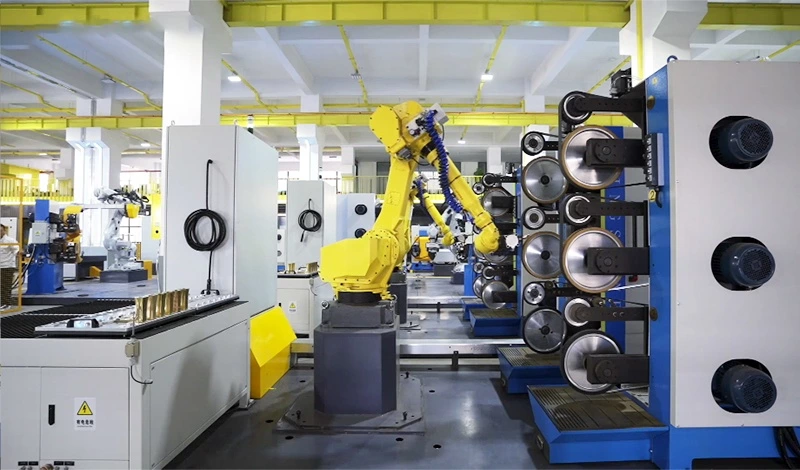
1. Material Hardness
Material hardness directly affects polishing force, tool selection, and process stability.
- Soft materials → risk of deformation
- Hard materials → require stronger abrasives and stable force control
In most successful cases, materials within a moderate hardness range are ideal for robotic polishing.
2. Toughness and Heat Sensitivity
Different materials respond very differently under continuous polishing.
For example:
- Zinc alloy may chip under excessive force
- Plastics may soften due to heat buildup
This is why modern robotic systems rely heavily on force control and precise path programming.
3. Surface Condition and Defects
In real production, surface defects are often a bigger issue than the material itself.
Typical problems include:
- Casting defects (zinc alloy)
- Oxidation layers (copper)
- Scratches or contamination (plastics)
👉 If pre-treatment is not handled properly, even the best polishing process cannot achieve a high-quality finish.
4. Production Volume and Consistency Requirements
Robotic polishing delivers the most value in:
- High-volume production
- Products requiring a consistent surface finish
- Complex geometries and curved surfaces
For small batch or highly customized parts, manual polishing may still be used—but consistency will be harder to maintain.
Best Metal Materials for Robotic Polishing
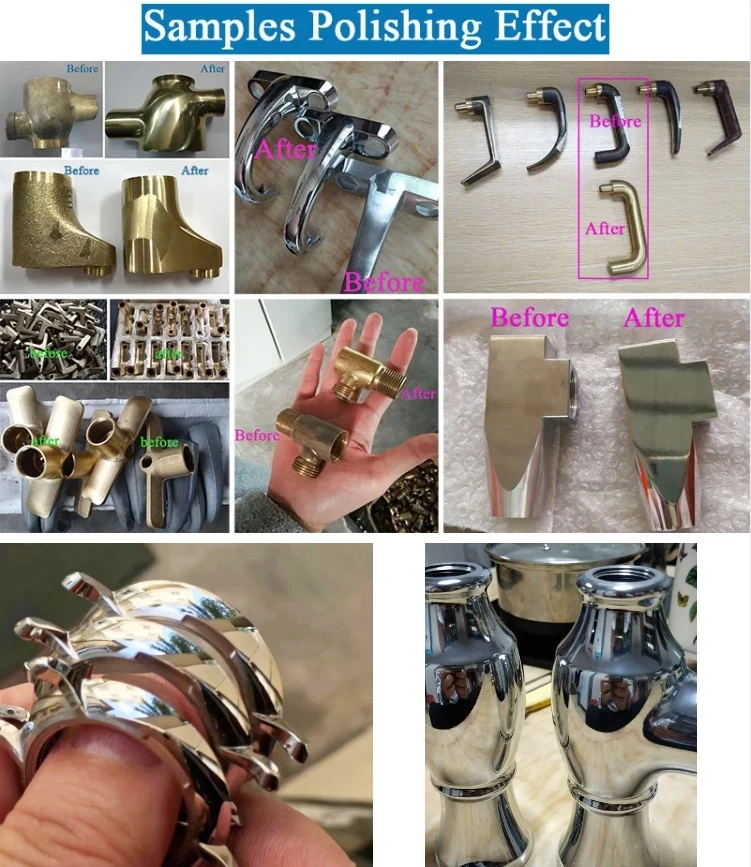
Copper and Copper Alloys
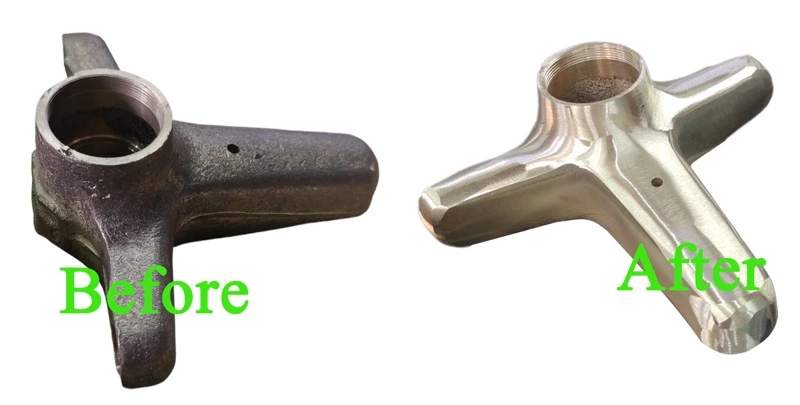
Copper is widely used in:
- Electrical components
- Decorative parts
- Precision fittings
However, it is also one of the more sensitive materials during polishing.
In real applications, common issues include:
- Surface oxidation
- Deformation from excessive pressure
To solve this, the process must focus on:
- Low polishing force
- Controlled speed
- Continuous cooling
With the right setup, robotic polishing can significantly improve consistency compared to manual polishing—especially for large production runs.
Zinc Alloy Castings
Zinc alloy is commonly used in:
- Automotive components
- Consumer hardware
- Electronic housings
The main challenge is not polishing itself, but surface defects from casting.
We often see:
- Porosity
- Burrs
- Uneven surfaces
👉 If these defects are not properly removed in the early stages, they will remain visible even after fine polishing.
Robotic polishing performs particularly well here because it ensures:
- Stable pressure control
- Consistent material removal
- Repeatable finishing quality
Can Plastics Be Robotically Polished?
Yes, but only certain types of plastics are suitable, like glass charging pile grinding and polishing.
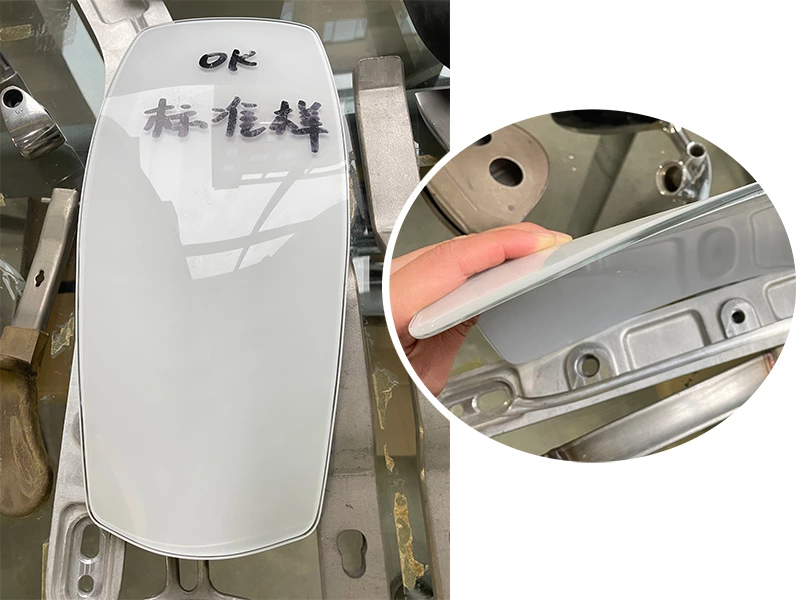
H3:Recommended Plastic Materials
Robotic polishing works well for engineering plastics such as:
- ABS
- PC (polycarbonate)
- PMMA (acrylic)
- PA (nylon)
These materials are widely used in:
- Automotive interiors
- Electronic housings
- Optical components
Challenges When Polishing Plastics
Compared with metals, plastics are more sensitive and require stricter control.
Common issues include:
- Heat buildup is causing deformation
- Fine scratches affecting transparency
- Static attracts dust particles
To address these challenges, robotic polishing systems must use:
- Low contact force
- Fine abrasives
- Stable and optimized polishing paths
Materials NOT Suitable for Robotic Polishing
Not all materials are compatible with automation.
Generally, robotic polishing is not recommended for:
- Very soft materials (easily deformed)
- Brittle plastics (prone to cracking)
- Materials with unstable surface structures
In these cases, manual polishing may still be the better option.
Why More Manufacturers Choose Robotic Polishing
Compared with manual polishing, robotic systems offer:
- Consistent surface quality
- Reduced labor dependency
- Higher production efficiency
- Better control over complex shapes
👉 Especially for industries with strict quality standards, robotic polishing is becoming the preferred solution.
Conclusion: Choosing the Right Material is Key
Robotic polishing is not a one-size-fits-all solution.
The best results come from matching the right process to the right material.
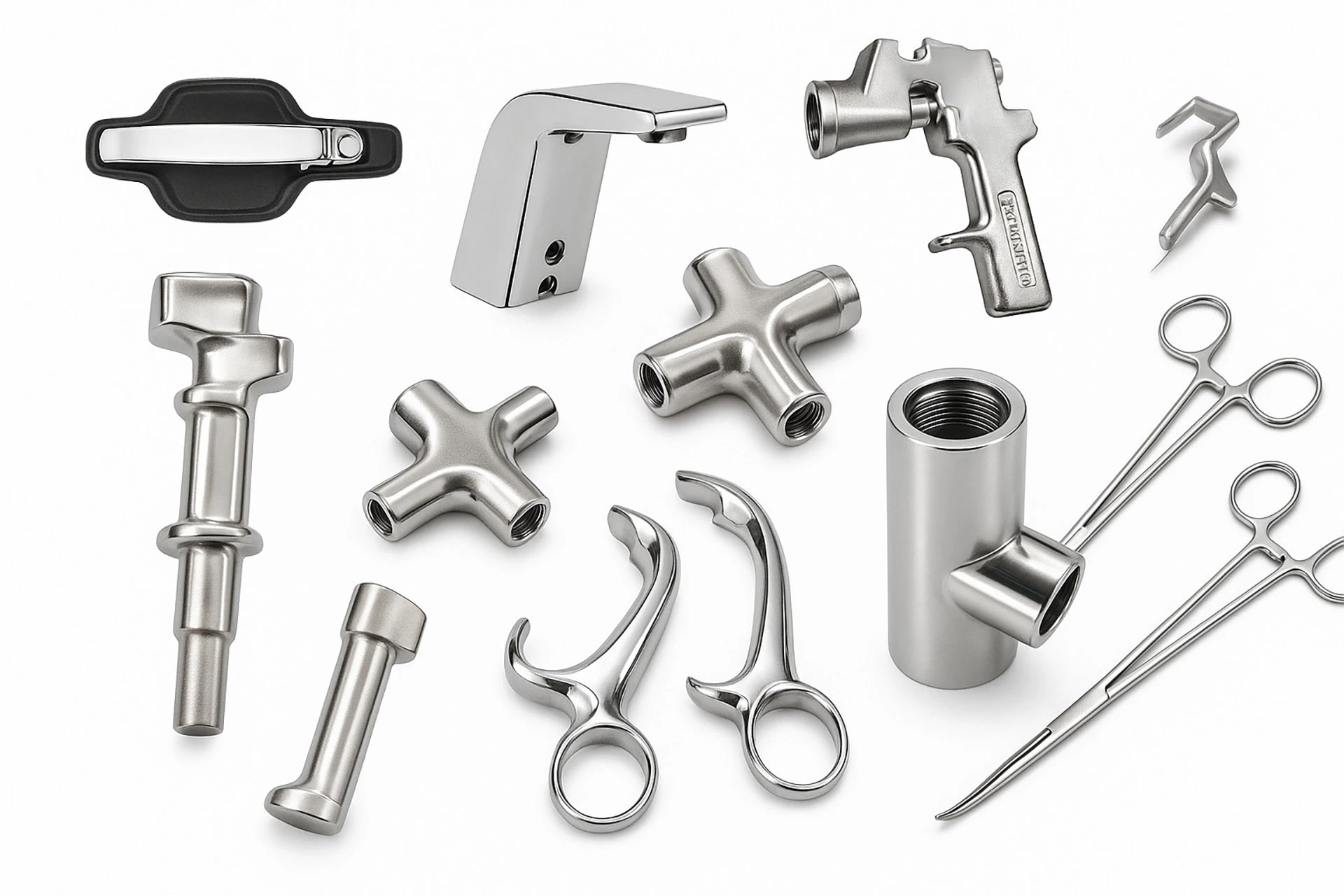
In general, the most suitable materials include:
- Stainless steel
- Copper and copper alloys
- Zinc alloy castings
- Engineering plastics
With proper setup, robotic polishing can deliver stable, high-quality results at scale.
Need Help with Your Polishing Application?
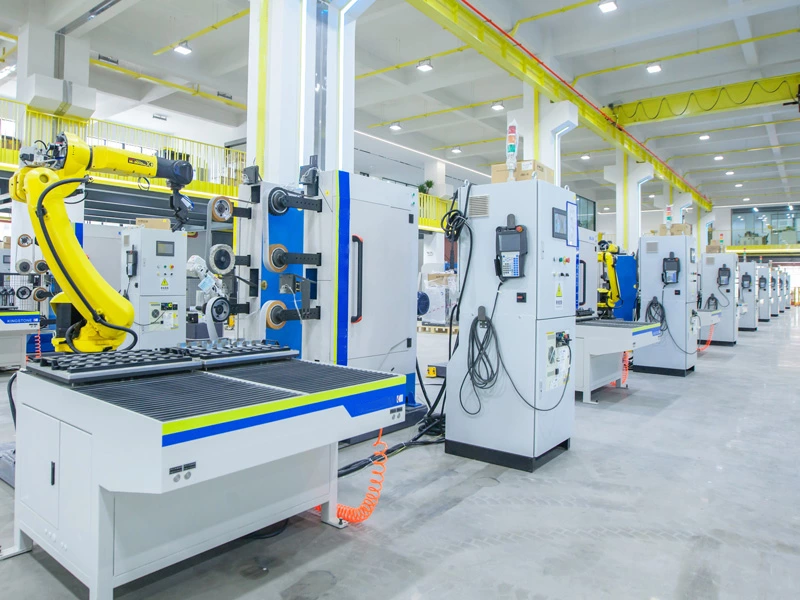
At Kingstone Robotec, we help manufacturers optimize polishing processes based on real production needs.
Whether you're working with metal or plastic parts, we can help you:
- Evaluate material suitability
- Improve surface finish quality
- Increase production efficiency
👉 Send us your drawings or samples, and our team will recommend a suitable robotic polishing solution.