English
 Español
Robotic Polishing for Aluminum Die Casting Parts: How Manufacturers Achieve Consistent Surface Finishing
Introduction
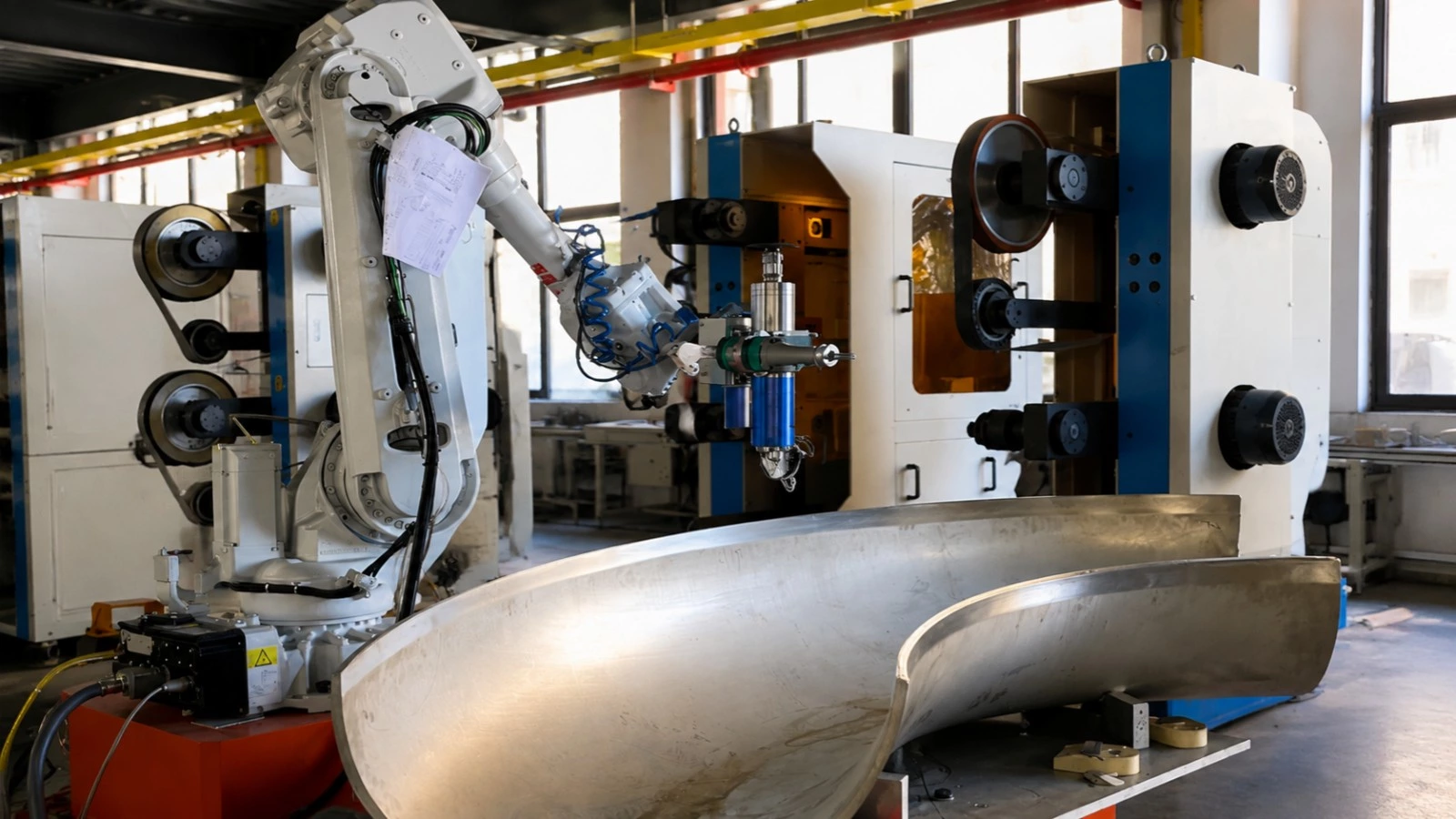
In aluminum die casting production, achieving stable surface quality after casting is a common challenge.
Although modern die casting processes can produce complex components with high dimensional accuracy, many parts still require additional finishing operations to remove casting marks, burrs, and surface imperfections.
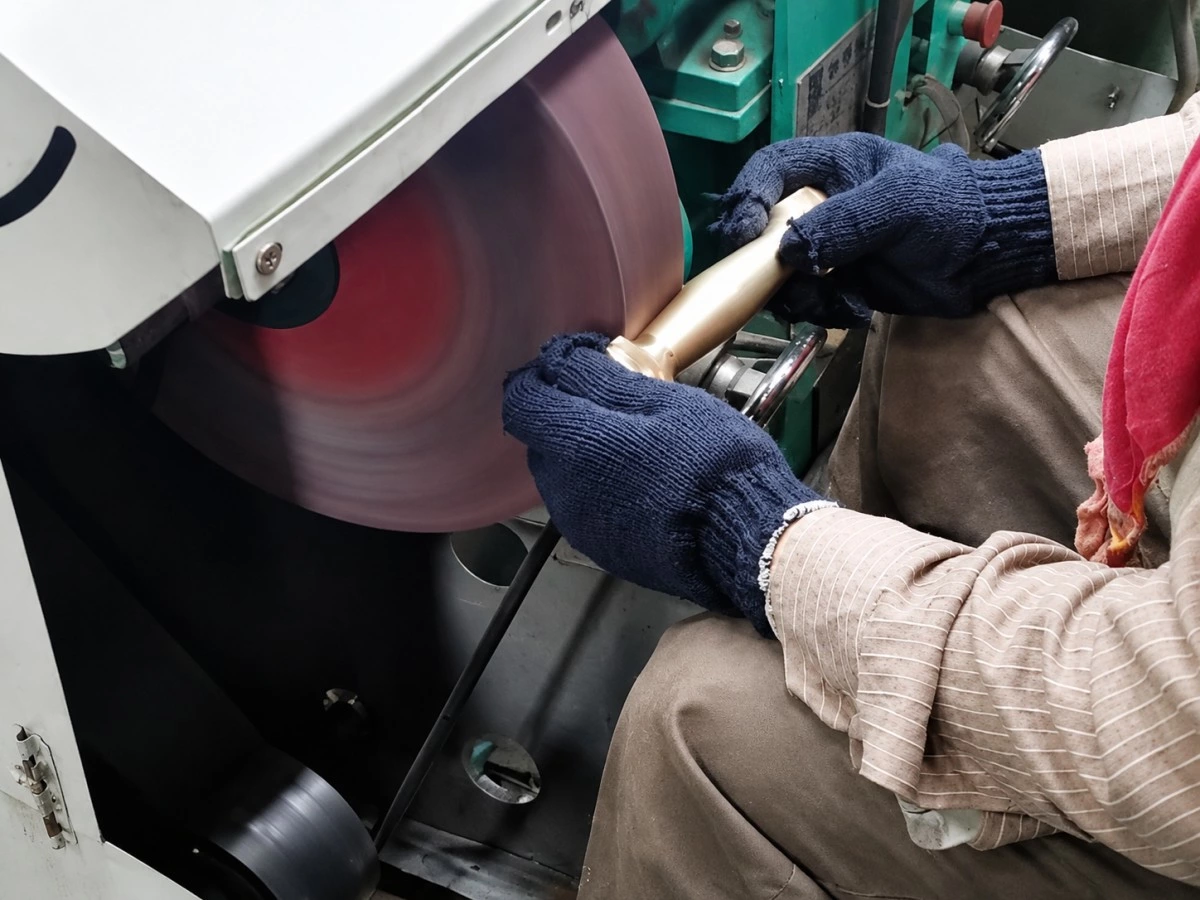
For many manufacturers, polishing is still performed manually. Skilled operators can achieve good results, but maintaining the same finishing quality across thousands of parts is difficult. Differences in operator experience, polishing pressure, and working methods can directly affect the final appearance of the products.
As production requirements become more demanding, manufacturers are increasingly turning to robotic polishing machines to improve process stability.
A robotic polishing system allows manufacturers to automate repetitive finishing operations while maintaining consistent polishing paths and processing parameters. This makes robotic automation especially suitable for aluminum die casting parts used in automotive, hardware, and industrial applications.
Why Aluminum Die Casting Parts Require Polishing
After the die casting process, aluminum components may have several surface conditions that require further treatment.
Common issues include:
- Casting marks
- Surface unevenness
- Sharp edges and burrs
- Visible machining traces
- Inconsistent appearance after production
For parts with significant casting flash or sharp edges, a robotic deburring solution can be integrated before the polishing process.
In addition, some industrial components require polishing before coating, plating, or assembly to ensure better surface preparation.
Challenges of Manual Polishing for Aluminum Components
Maintaining Consistent Finishing Quality
Manual polishing relies heavily on operator skills.
Even experienced workers may produce different results due to changes in:
- polishing pressure
- processing angle
- working speed
- operator fatigue
For manufacturers producing large quantities of aluminum parts, maintaining identical surface quality can become difficult.
Increasing Production Capacity
When order quantities increase, manual polishing usually requires additional workers.
However, recruiting and training skilled polishing operators can be challenging. Production capacity becomes limited by the number of available workers.
A robotic polishing machine provides a more stable solution by allowing the same polishing process to be repeated continuously.
Improving Working Conditions
Grinding and polishing operations may create dust, noise, and repetitive physical movements.
Automating these processes can help manufacturers reduce workers' exposure to demanding polishing environments while improving overall production management.
How Robotic Polishing Machines Process Aluminum Die Casting Parts
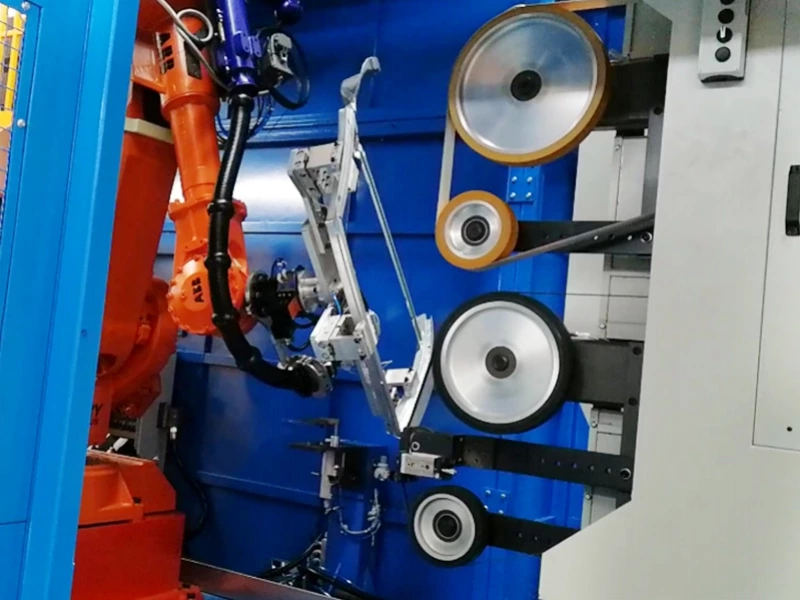
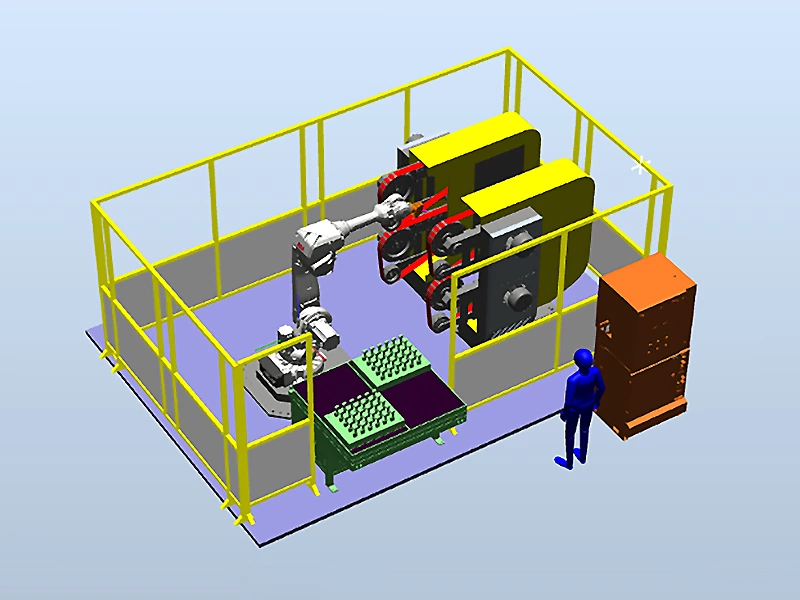
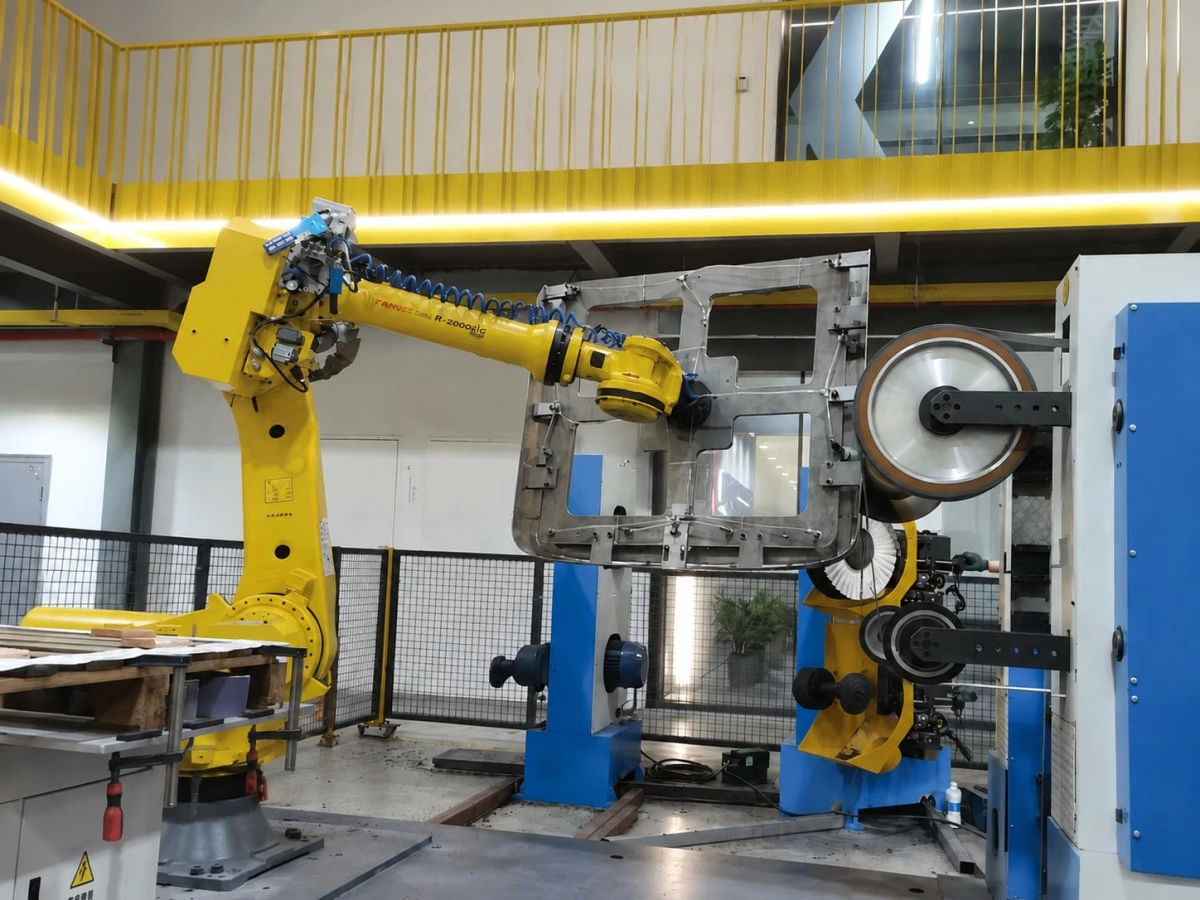
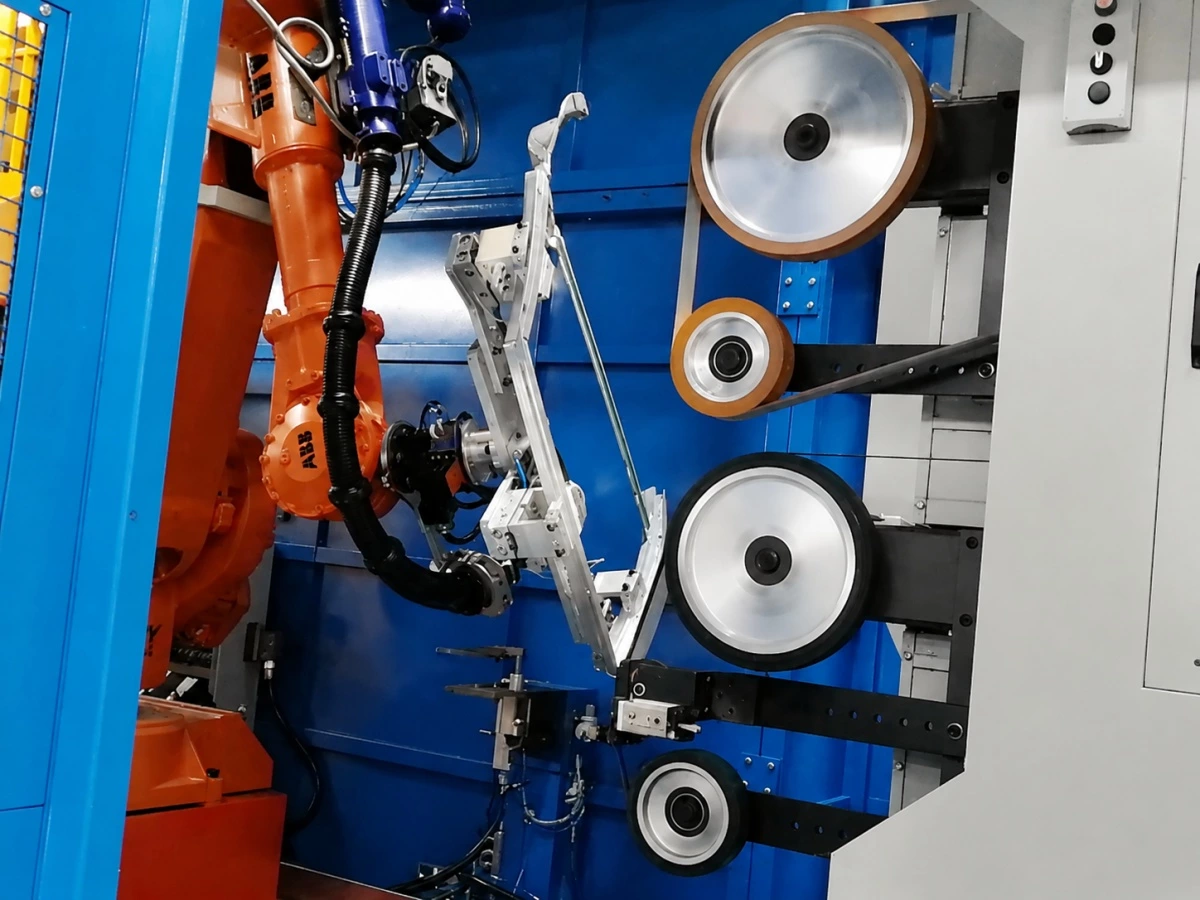
A robotic polishing system combines an industrial robot, polishing equipment, fixtures, and control software to complete automated finishing operations. In some applications, manufacturers also use a robotic grinding system for surface preparation before final polishing
Consistent Robot Movement
Unlike manual operations, robots can follow programmed polishing paths repeatedly.
This helps ensure:
- stable processing results
- repeatable surface quality
- reduced variation between parts
Controlled Polishing Pressure
The contact pressure between the polishing tool and the workpiece directly affects finishing quality.
A properly configured robotic polishing system can maintain more stable tool contact compared with manual operations.
This is especially important for aluminum parts with complex shapes or curved surfaces.
Flexible Production for Different Components
Many manufacturers produce multiple aluminum components.
With suitable fixture design and robot programming, one robotic polishing system can be adapted for different part models.
Before automation, engineers usually evaluate:
- part dimensions
- production volume
- required surface finish
- loading method
to determine the most suitable solution.
Applications of Robotic Polishing for Aluminum Die Casting Parts
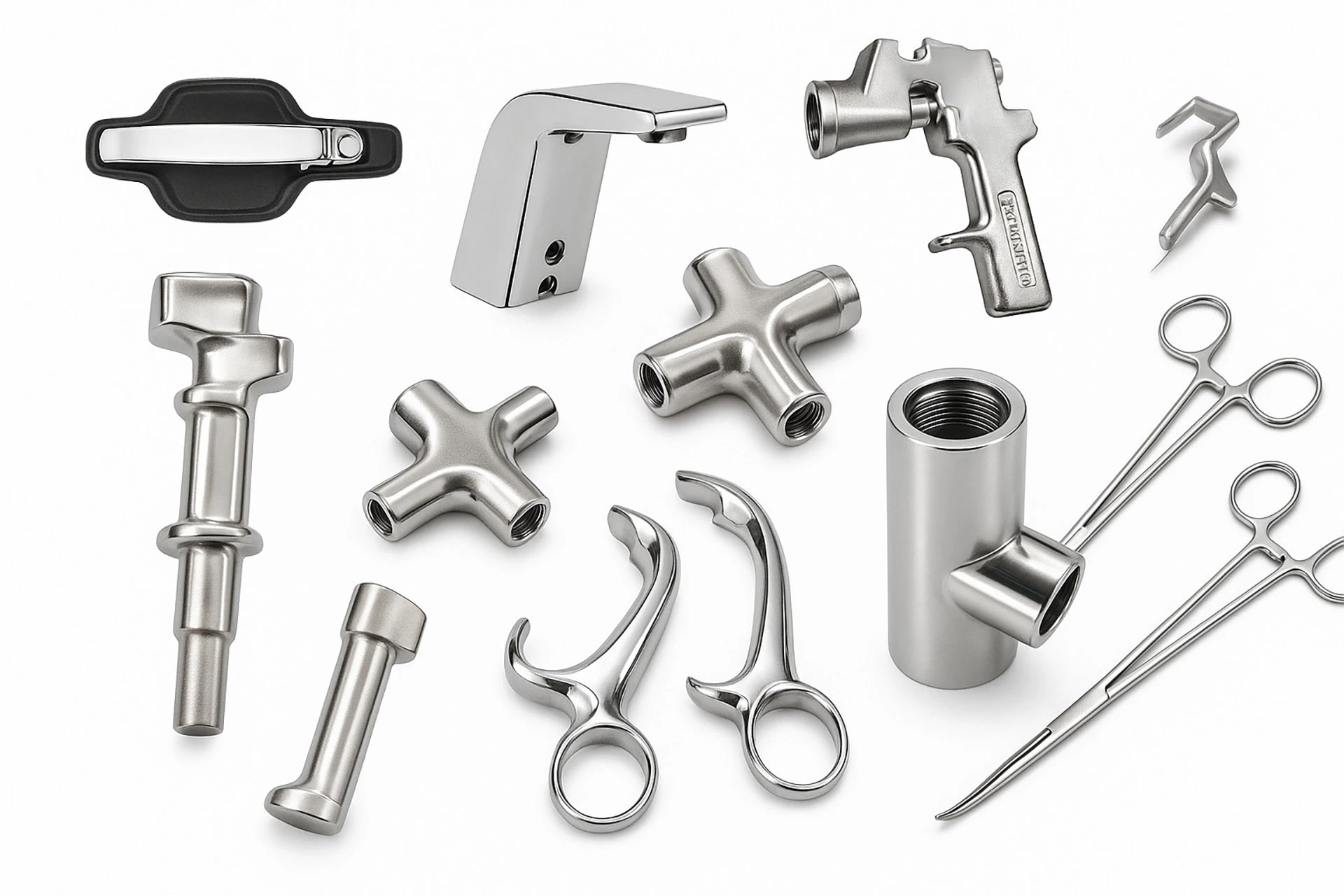
Automotive Aluminum Components
The automotive industry uses many aluminum die casting components that require reliable surface finishing.
Examples include:
- aluminum housings
- structural components
- decorative parts
- motorcycle components
Robotic polishing helps manufacturers maintain stable quality for high-volume production.
Hardware and Decorative Components
For products where appearance is important, surface finishing quality directly affects customer perception.
Robotic polishing can provide more uniform results compared with manual processing.
Industrial Aluminum Parts
Industrial equipment manufacturers often require consistent finishing for cast components.
Customized robotic polishing systems can be designed according to different product shapes and production requirements.
Key Factors Before Automating Aluminum Polishing
Before investing in a robotic polishing system, manufacturers should consider several factors.
Part Geometry
Complex shapes, curved surfaces, and multiple polishing areas require careful robot path planning.
Surface Requirements
Different products require different finishing levels.
The polishing process may include:
- rough grinding
- surface smoothing
- fine polishing
- buffing
Production Volume
Automation usually provides greater value for medium and high-volume production.
The production quantity helps determine the suitable automation level.
Fixture Design
A stable fixture is essential for accurate robotic polishing.
The fixture must hold the workpiece securely while allowing the robot to access required polishing areas.
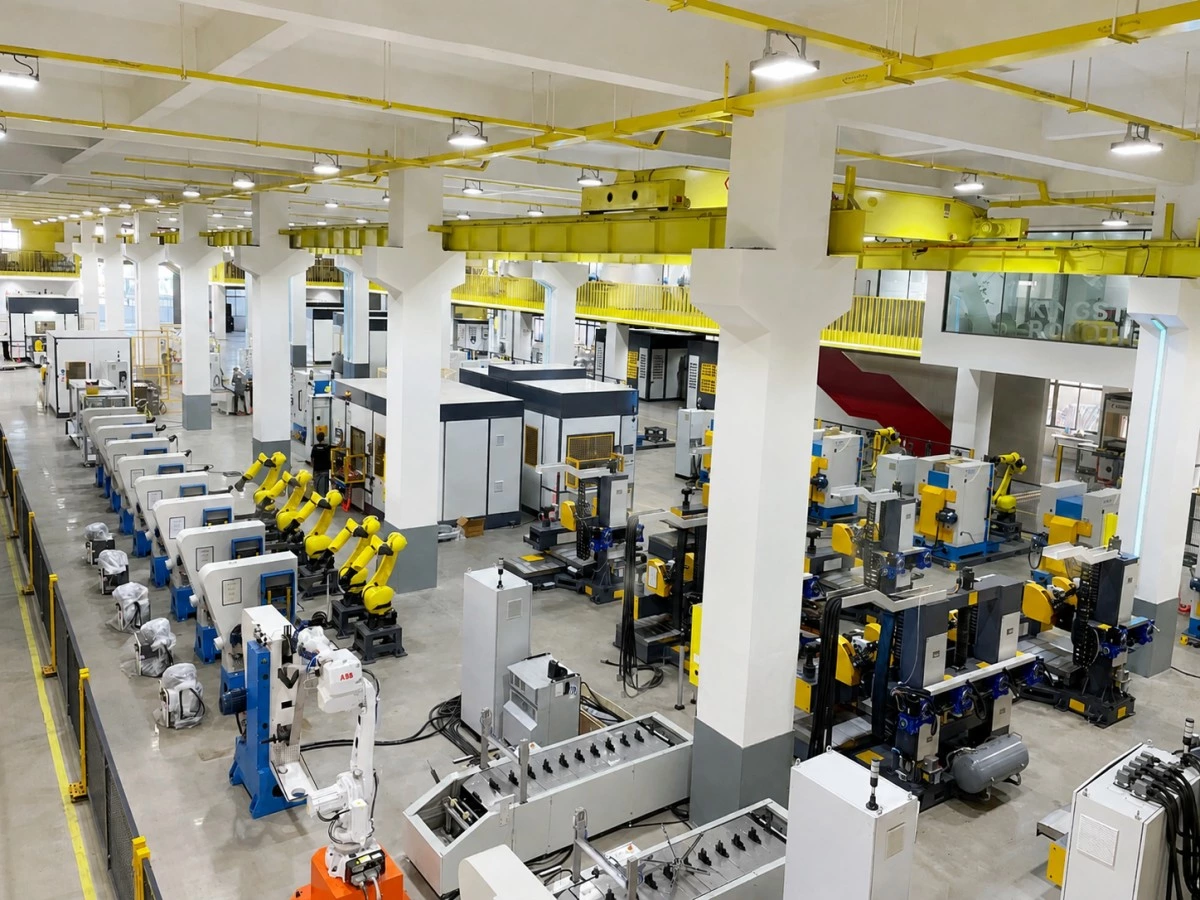
Kingstone Robotics Robotic Polishing Solution
Kingstone Robotics provides customized robotic polishing and grinding solutions for manufacturers looking to improve surface finishing processes.
Each system is developed according to customer requirements, including:
- product shape
- material characteristics
- finishing standards
- production capacity
The complete solution can include:
- industrial robot
- polishing unit
- grinding tools
- fixtures
- control system
- related automation equipment
By integrating robotic technology into surface finishing processes, manufacturers can achieve more stable production results and reduce challenges associated with manual polishing.
Conclusion
For aluminum die casting manufacturers, achieving consistent surface finishing quality is an important part of improving product competitiveness.
While manual polishing remains suitable for some applications, robotic polishing systems provide significant advantages for companies requiring repeatable quality, stable production, and improved automation.
By selecting the right automated surface finishing solution, manufacturers can create a more efficient and reliable finishing process for aluminum components..
Frequently Asked Questions (FAQ)
1. Can a robotic polishing machine polish aluminum die casting parts?
Yes. Robotic polishing machines can process aluminum die casting parts by using suitable grinding and polishing tools. They can remove surface imperfections and provide more consistent finishing results compared with manual operations.
2. What types of aluminum parts can be polished by robots?
Robotic polishing systems can be used for automotive components, motorcycle parts, aluminum housings, hardware products, and various industrial aluminum castings.
3. Is robotic polishing suitable for small production volumes?
It depends on the product requirements. For low-volume production with frequent product changes, a customized solution may be needed. For stable production with repeated parts, robotic polishing usually provides better efficiency.
4. How does robotic polishing improve surface quality?
Robotic polishing improves quality by maintaining consistent movement paths, stable tool contact, and repeatable processing parameters during production.
5. What information is needed before designing a robotic polishing system?
Manufacturers usually need to provide:
- product drawings or samples
- material information
- required surface finish
- production quantity
- current polishing process
These details help engineers design a suitable automation solution.
6. Can one robot polish different aluminum parts?
Yes. With proper programming and fixture design, one robotic polishing system can process different parts. The flexibility depends on product size, shape, and finishing requirements.