English
 Español
Why More Foundries Are Replacing Manual Grinding with Robotic Polishing
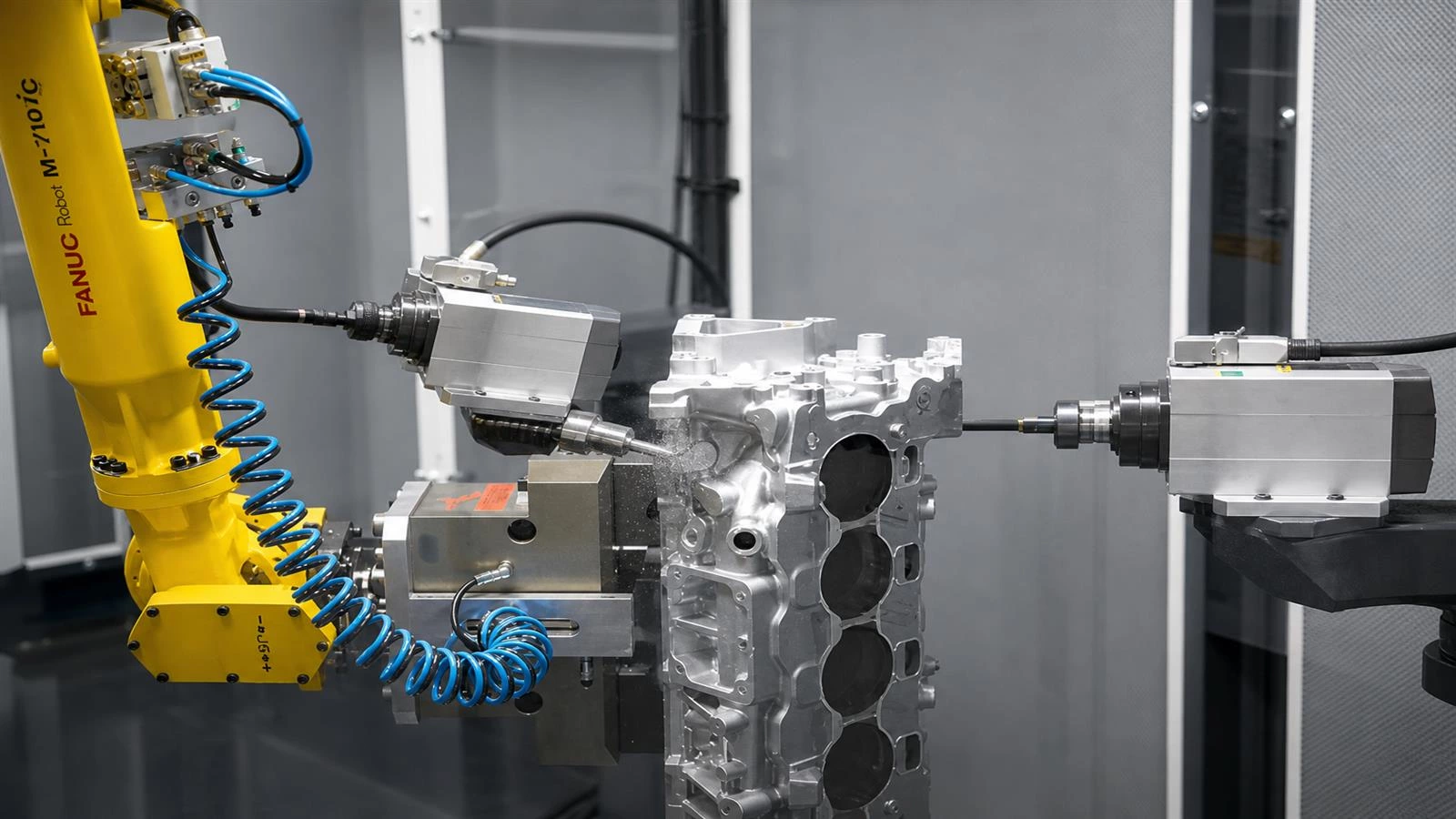
For decades, manual grinding has been a standard finishing process in foundries. Skilled operators use handheld grinders to remove burrs, smooth surfaces, and prepare castings for the next manufacturing stage.
However, as manufacturing demands continue to evolve, many foundries are finding that traditional manual grinding can no longer meet their production goals. Rising labor costs, increasing quality requirements, and workplace safety concerns are driving manufacturers toward automated solutions.
Today, robotic polishing and grinding systems are becoming an important part of modern foundry production.
The Challenges of Manual Grinding
Although manual grinding offers flexibility, it also presents several operational challenges.
Labor shortages
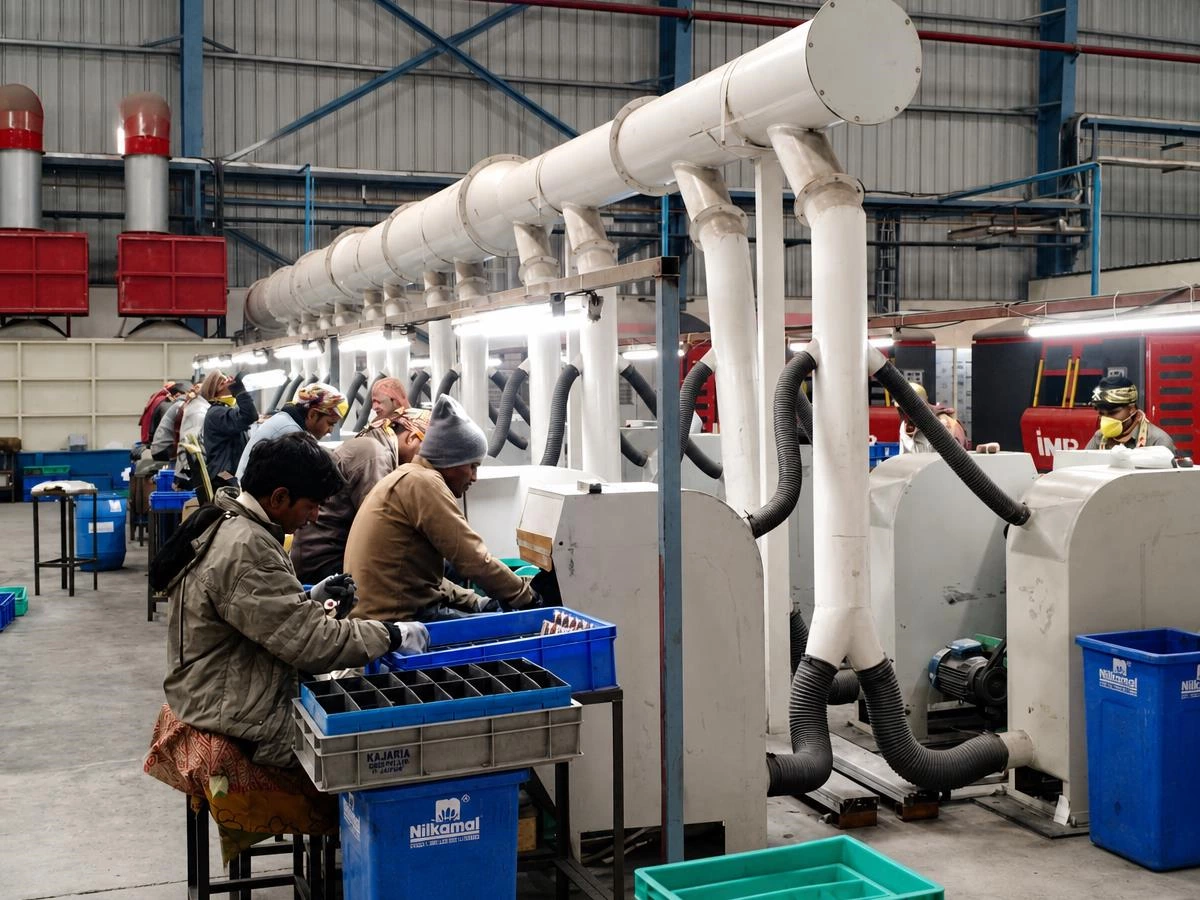
Experienced grinding operators are becoming increasingly difficult to recruit and retain. The work is physically demanding and often performed in harsh environments.
Inconsistent product quality
Grinding quality depends heavily on the operator's skill and experience. Variations in pressure, angle, and grinding time often result in inconsistent surface finishes.
High labor costs
Manual grinding requires continuous labor, making production costs difficult to control—especially for medium- and high-volume manufacturing.
Dust and safety risks
Grinding generates metal dust, sparks, and noise. Even with proper protection, long-term exposure can negatively affect workplace safety and employee health.
Why Robotic Polishing Is Becoming the Preferred Solution
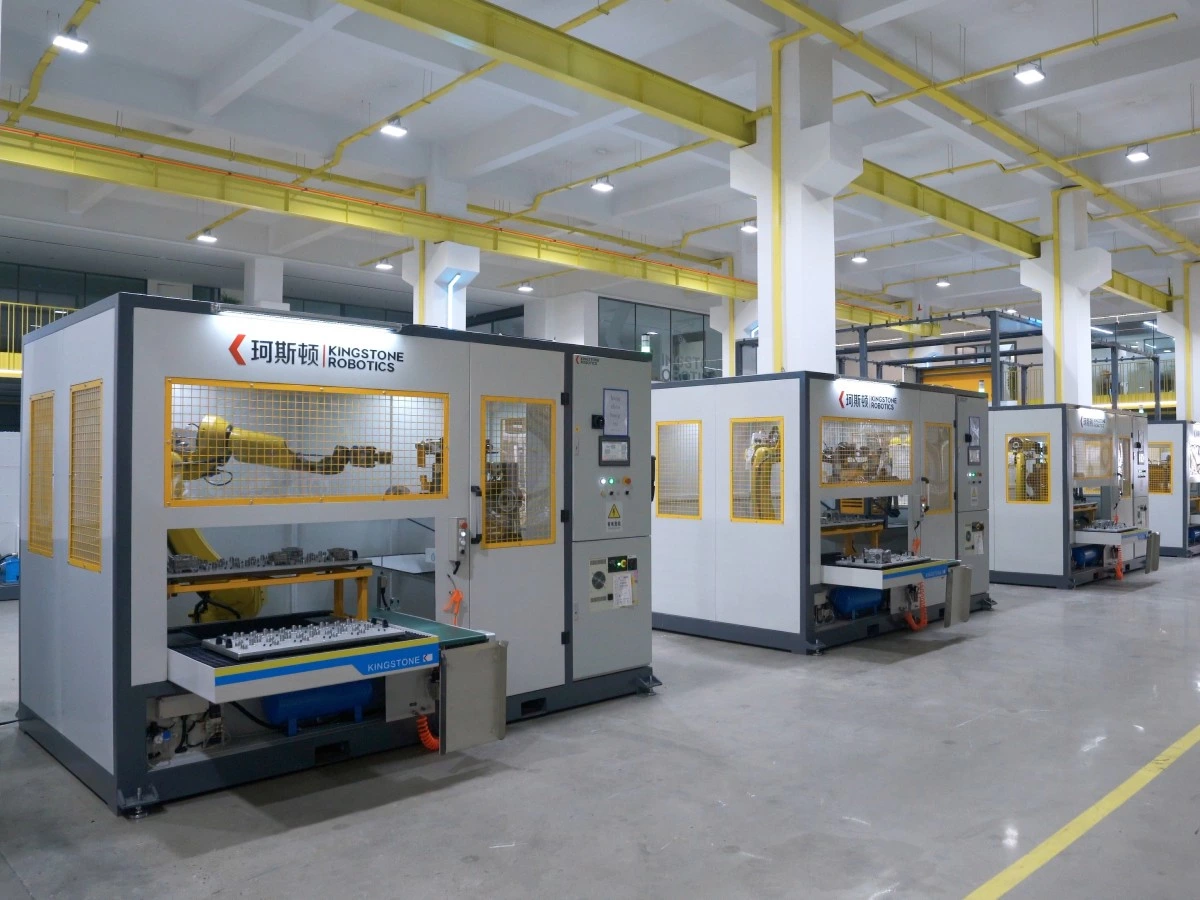
Robotic polishing systems provide a more stable and repeatable process for surface finishing.
Instead of relying on manual operation, industrial robots follow programmed paths and maintain consistent grinding force throughout each cycle.
This brings several advantages.
Consistent surface quality
A robot performs every polishing cycle using the same programmed parameters, helping manufacturers achieve uniform surface finishes and reduce product variation.
Higher productivity
Robots can operate continuously with minimal downtime, increasing production capacity and improving equipment utilization.
Lower operating costs
Although automation requires an initial investment, reduced labor requirements and lower rework rates often help manufacturers achieve a favorable return on investment over time.
Improved workplace safety
Automating the grinding process reduces worker exposure to dust, vibration, and hazardous operating conditions.
Applications Across Multiple Industries
Robotic polishing is no longer limited to a single industry.
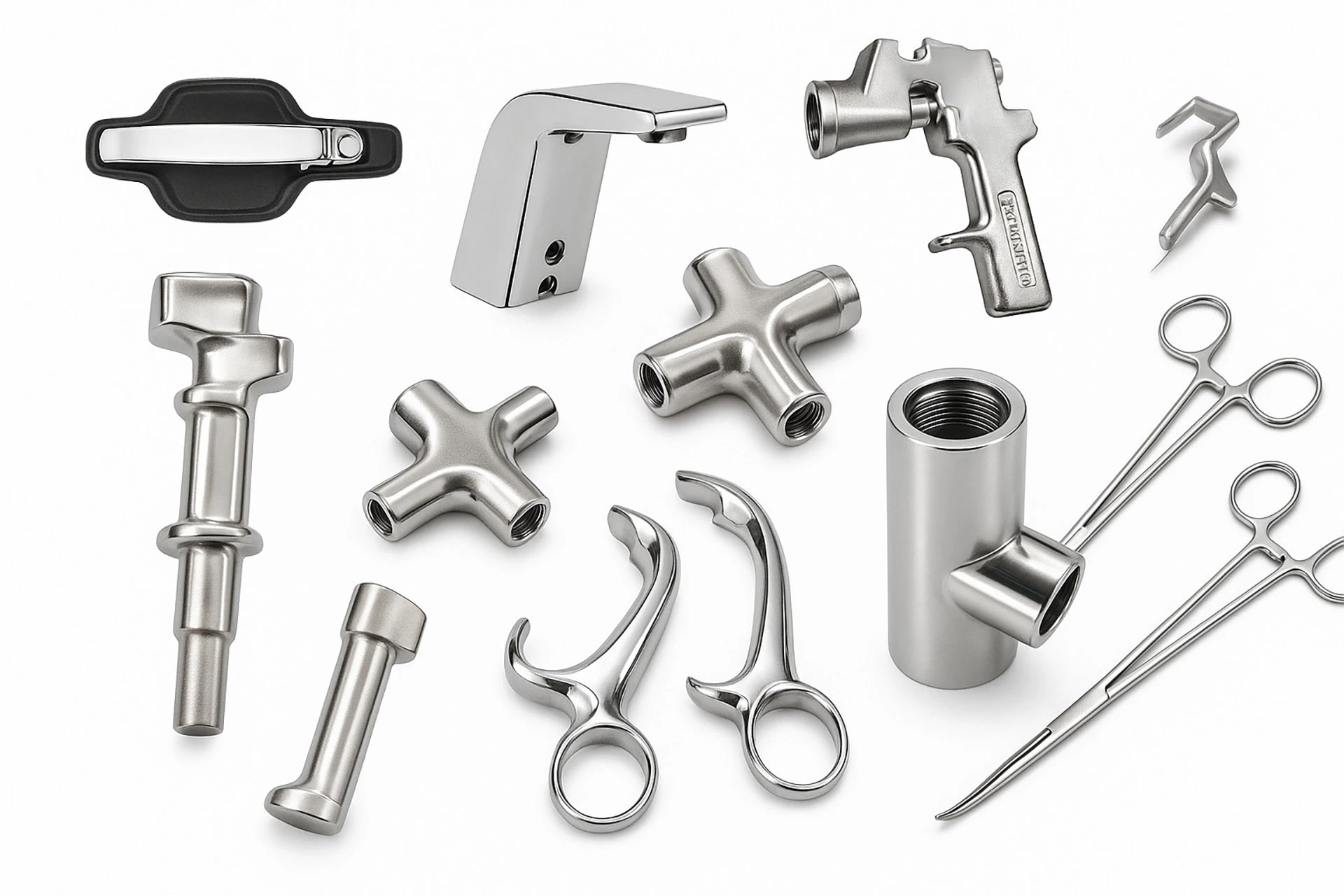
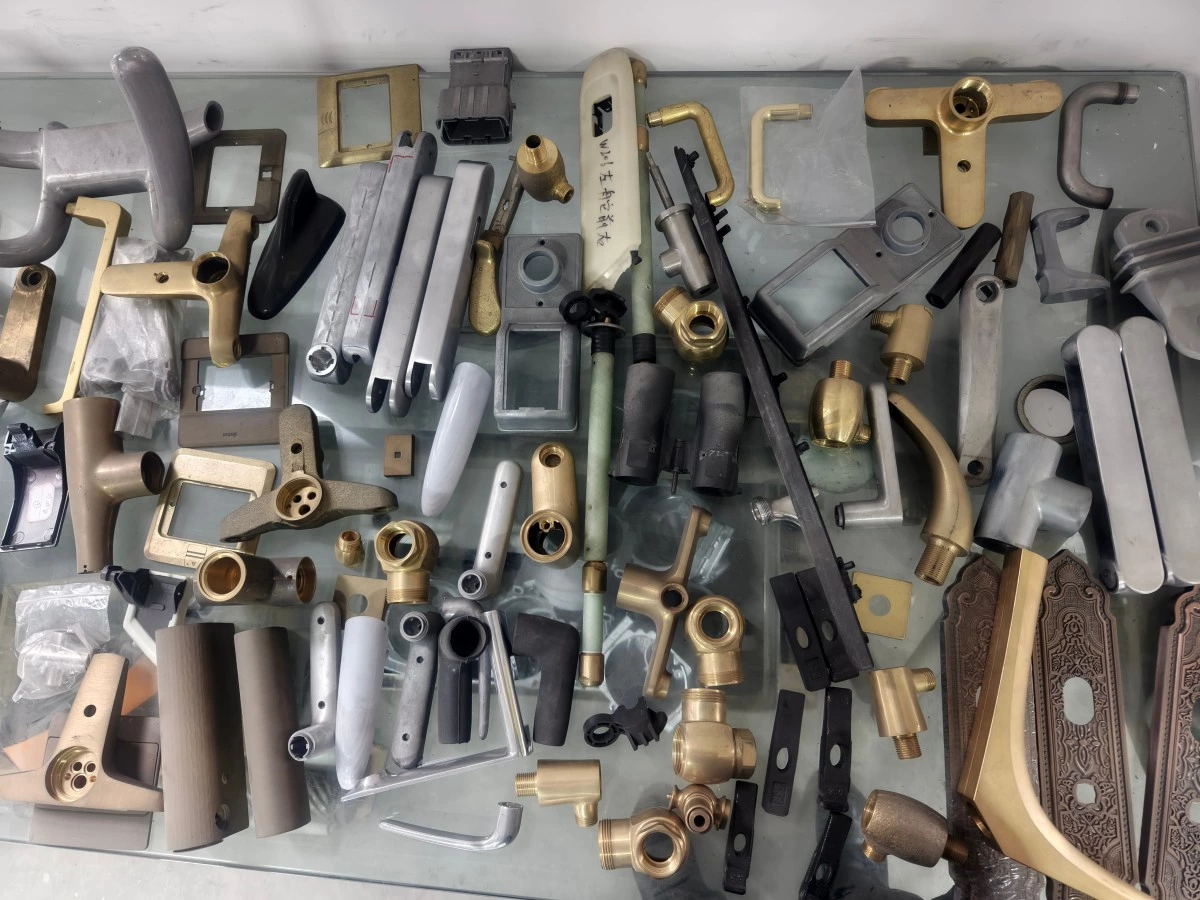
Today, automated polishing systems are widely used for components such as:
- Aluminum die casting parts
- Brass faucet bodies
- Stainless steel components
- Automotive parts
- Hardware products
- Motorcycle components
- Aerospace components
- Metal furniture accessories
Whether removing burrs, grinding welds, or achieving a uniform surface finish, robotic systems can be adapted to different product shapes and production volumes.
Key Technologies Behind Modern Robotic Polishing
Modern robotic polishing systems combine several technologies to improve process stability.
These may include:
- Force control systems for consistent contact pressure
- Automatic tool changers
- Multiple polishing tools for different finishing stages
- Offline programming to reduce setup time
- Custom fixtures for accurate positioning
- Integration with conveyors or automated production lines
Together, these technologies help manufacturers achieve repeatable, high-quality surface finishing while improving production efficiency.
Choosing the Right Robotic Polishing System
Every foundry has unique production requirements.
When evaluating a robotic polishing solution, manufacturers should consider:
- Part material
- Part size and weight
- Required surface finish
- Production volume
- Cycle time targets
- Future automation expansion
Selecting the right combination of robot, tooling, and process design is essential for achieving the best long-term performance.
How Kingstone Robotics Supports Foundry Automation
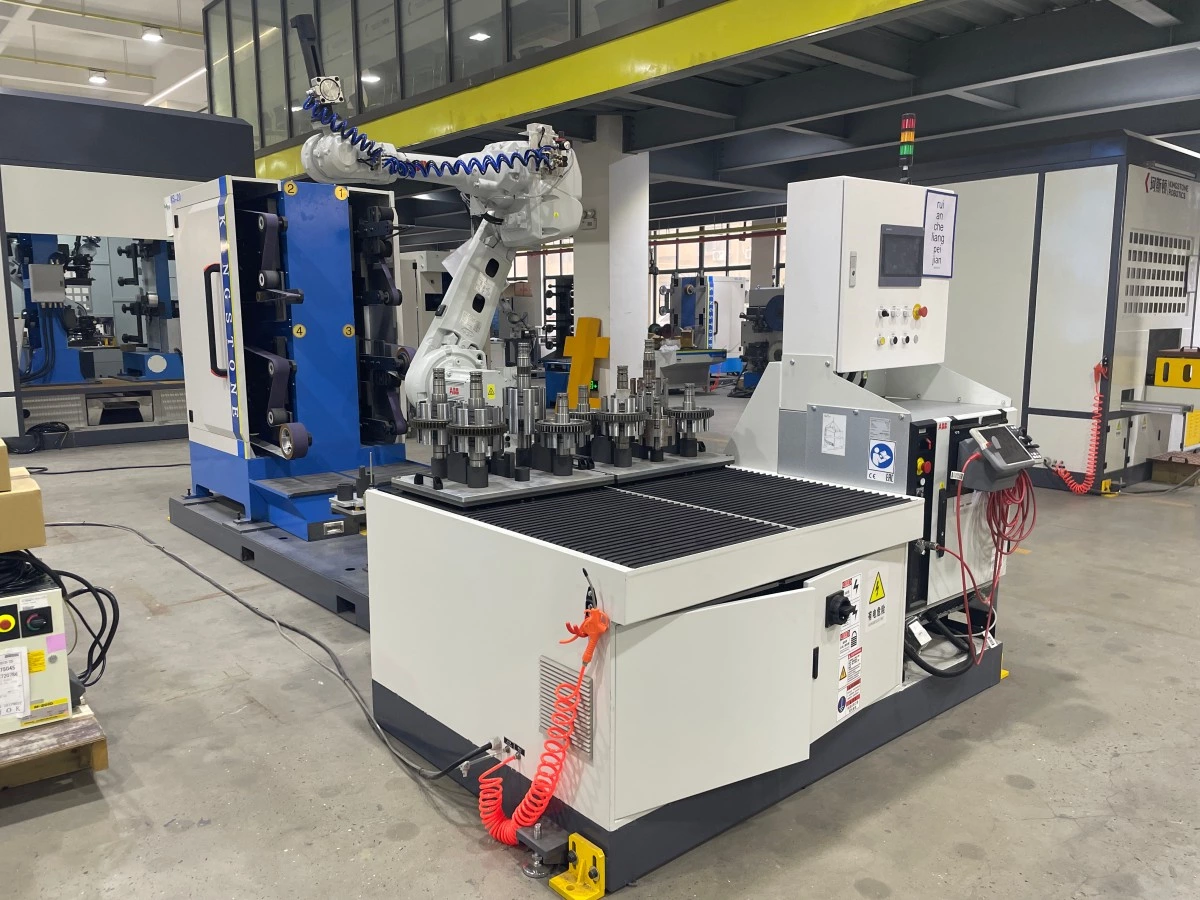
At Kingstone Robotics, we specialize in robotic grinding, deburring, and polishing solutions for metal parts across a wide range of industries.
Our engineering team works closely with customers to develop customized automation systems based on their products, production requirements, and quality standards.
Whether you manufacture aluminum castings, brass sanitary ware, automotive components, or other metal products, our robotic polishing solutions are designed to help improve productivity, consistency, and workplace safety.
Conclusion
As foundries continue to pursue higher productivity and more consistent product quality, robotic polishing is becoming an increasingly practical investment.
By replacing manual grinding with automated surface finishing, manufacturers can reduce labor dependence, improve process stability, and create safer production environments.
For companies planning future automation upgrades, robotic polishing is no longer simply an option—it is becoming a key step toward smarter manufacturing.
Looking for a Robotic Polishing Solution?
Whether you're polishing aluminum die castings, stainless steel parts, brass components, or other metal products, Kingstone Robotics can help you build a customized robotic polishing solution that fits your production needs.
Contact our engineering team today to discuss your application or request a free consultation.