English
 Español
Robotic Polishing for Stainless Steel: Improve Efficiency and Surface Quality
⚡ Why More Manufacturers Are Switching to Robotic Polishing
If you're still relying on manual polishing for stainless steel parts, you're likely dealing with:
- Inconsistent surface finish
- High labor costs
- Low production efficiency
- Worker fatigue and safety risks
In many factories, even skilled workers can only polish a limited number of parts per day — and quality still varies.
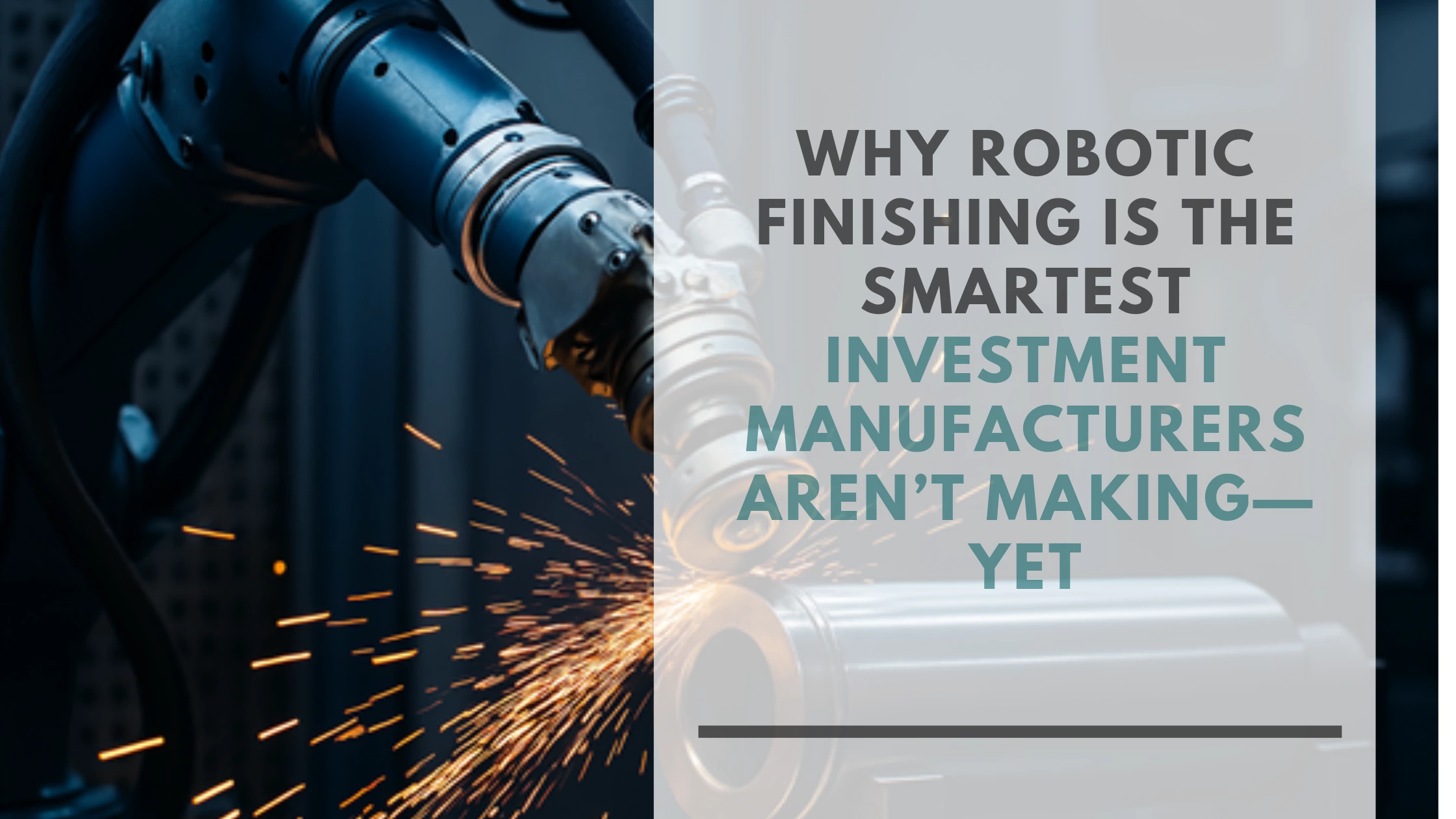
That’s why more manufacturers are turning to robotic polishing production lines to stay competitive.
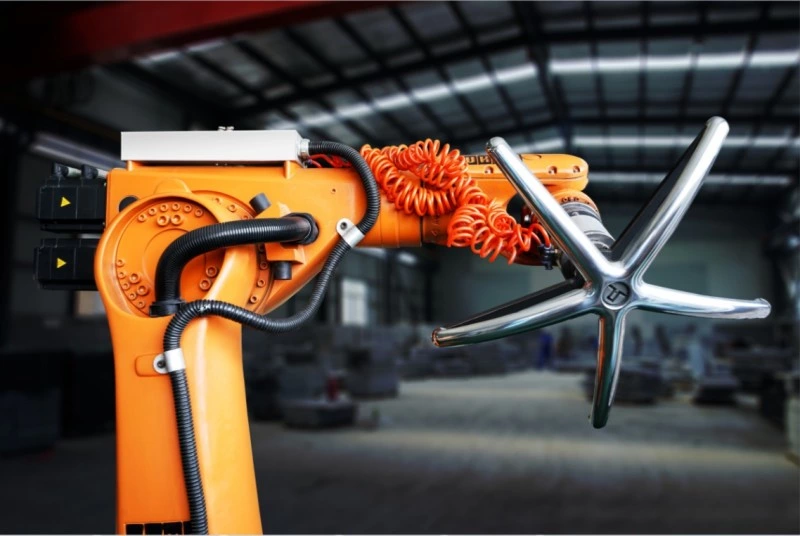
🤖 What Is a Robotic Polishing Production Line?
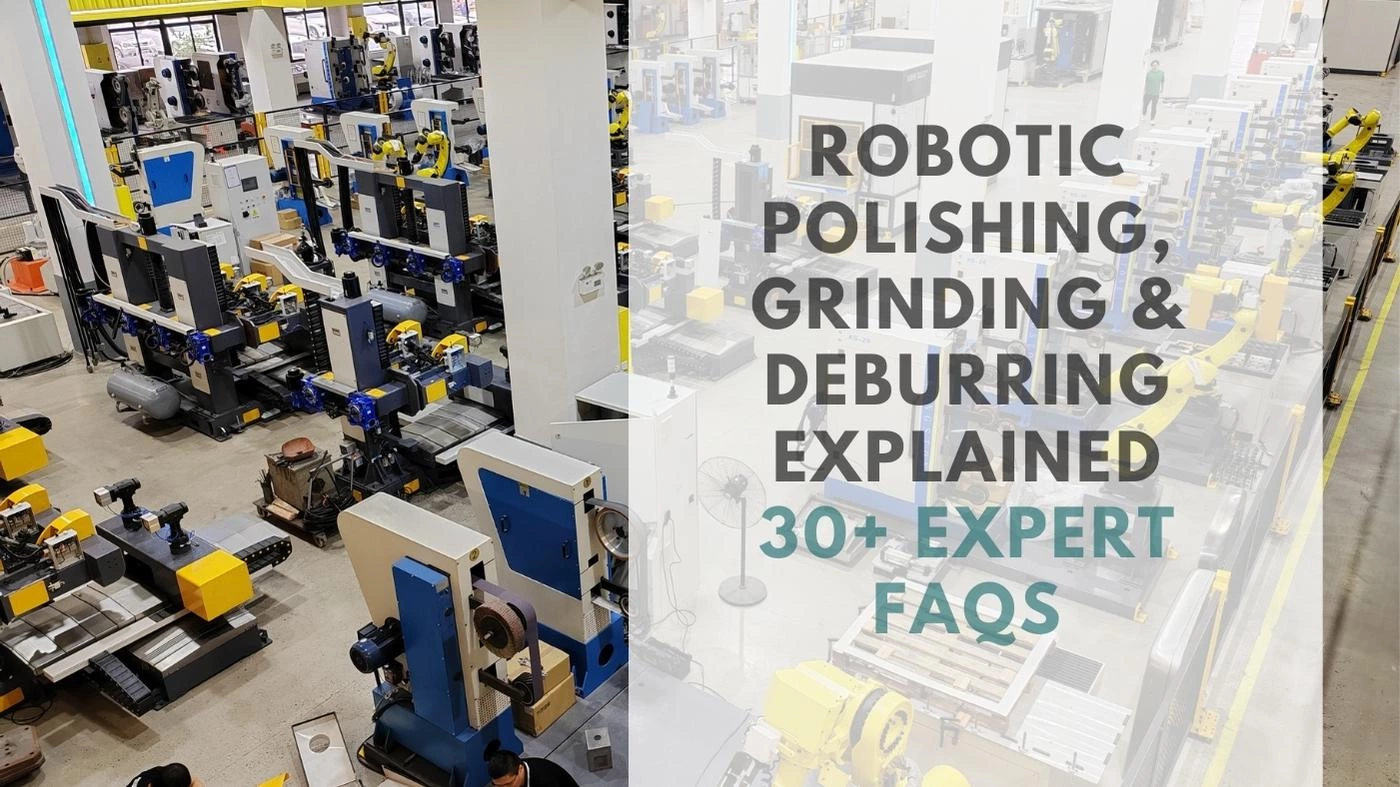
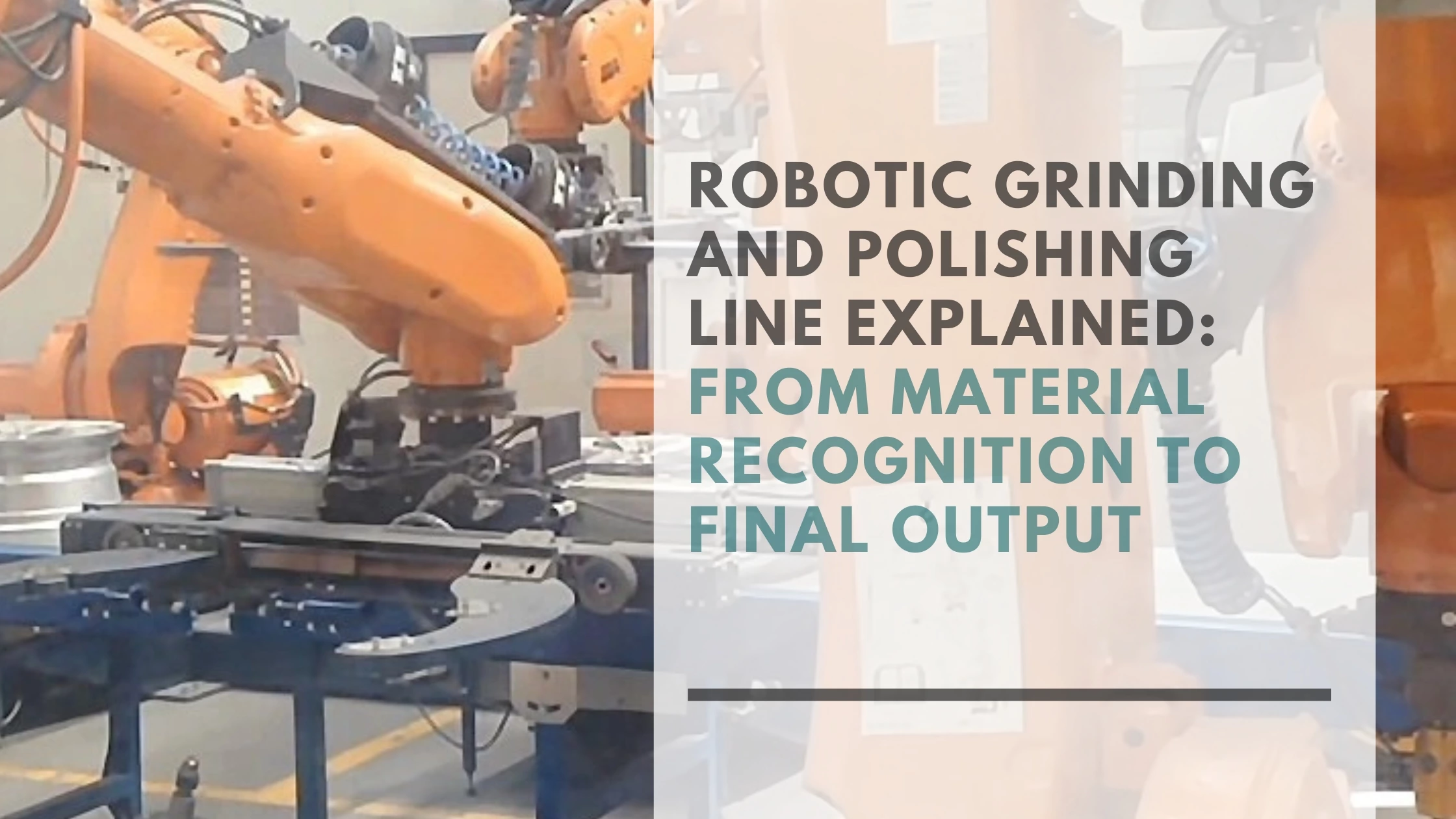
A robotic polishing line is an automated system designed to handle the entire polishing process — from loading to final inspection.
It typically includes:
- Industrial robots
- Polishing tools
- Fixtures and positioning systems
- Conveyor system
- Dust collection & cooling system
- Quality inspection system
Instead of relying on manual work, the robot follows pre-programmed paths to ensure every part is polished with the same precision.
🚀 Key Benefits of Robotic Polishing
1. Higher Efficiency
Robotic systems can operate 24/7 without fatigue.
👉 Compared to manual polishing, efficiency can increase by 3–5 times.
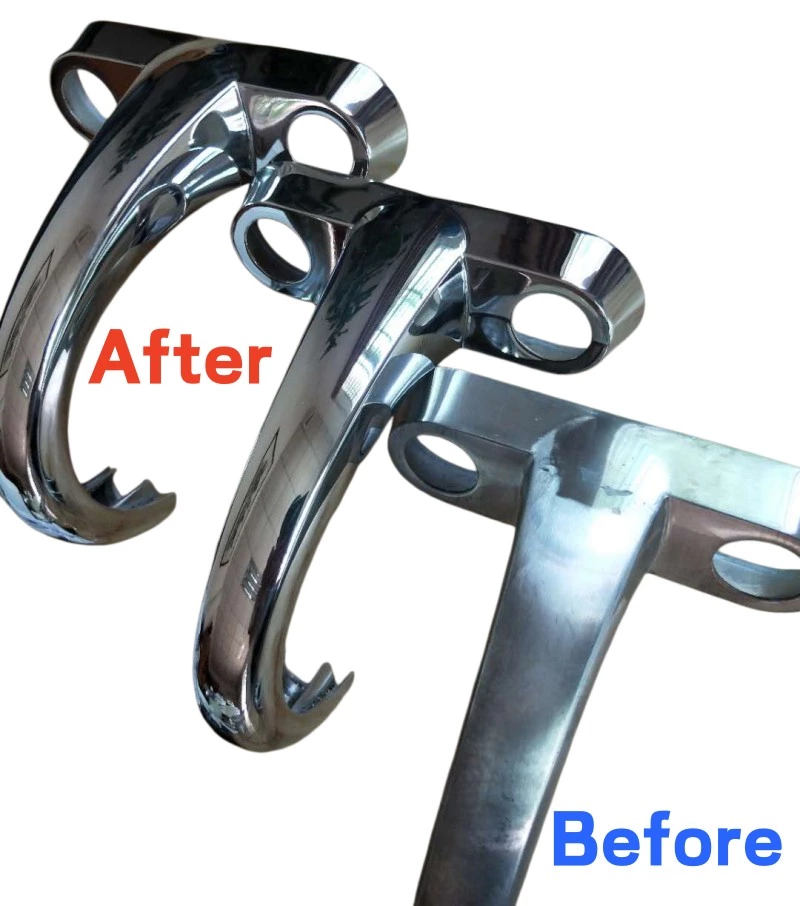
2. Consistent Quality
Robots maintain the same force, speed, and path for every part.
👉 Yield rate can reach up to 99%, reducing rework and scrap.
3. Lower Labor Costs
Manual polishing requires skilled workers and ongoing training.
👉 A robotic line can reduce labor needs by 50–70%.
4. Improved Safety & Working Environment
Polishing generates dust, noise, and heat.
Robotic systems combined with dust collection and cooling:
- Reduce worker exposure
- Improve factory environment
- Meet environmental standards
⚙️ How Does It Work? (Simple Overview)
A typical robotic polishing process looks like this:
- Loading – Parts are placed onto the conveyor system
- Positioning – Fixtures securely hold the workpiece
- Polishing – Robots perform multi-axis polishing
- Cooling & Dust Control – Systems manage heat and debris
- Inspection – Surface quality is checked automatically
- Unloading – Finished parts are sorted or transferred
Everything runs automatically with minimal human intervention.
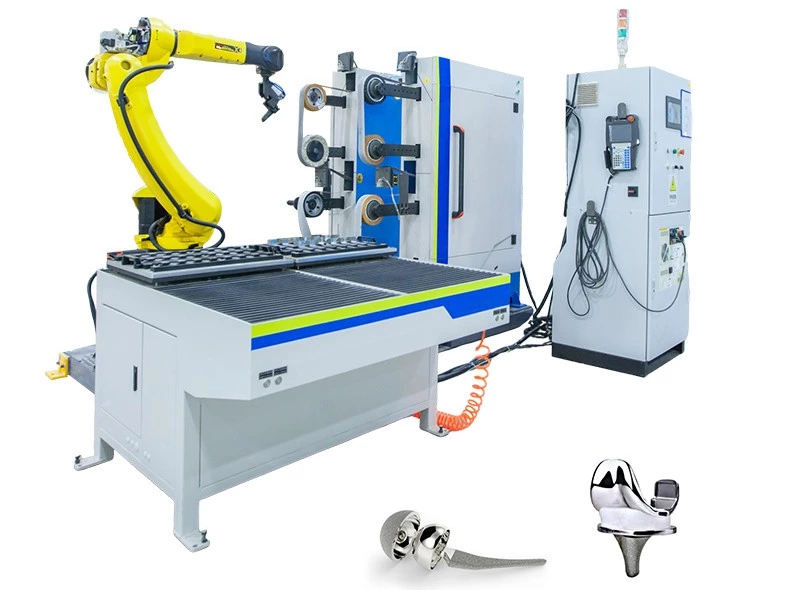
🏭 Typical Applications
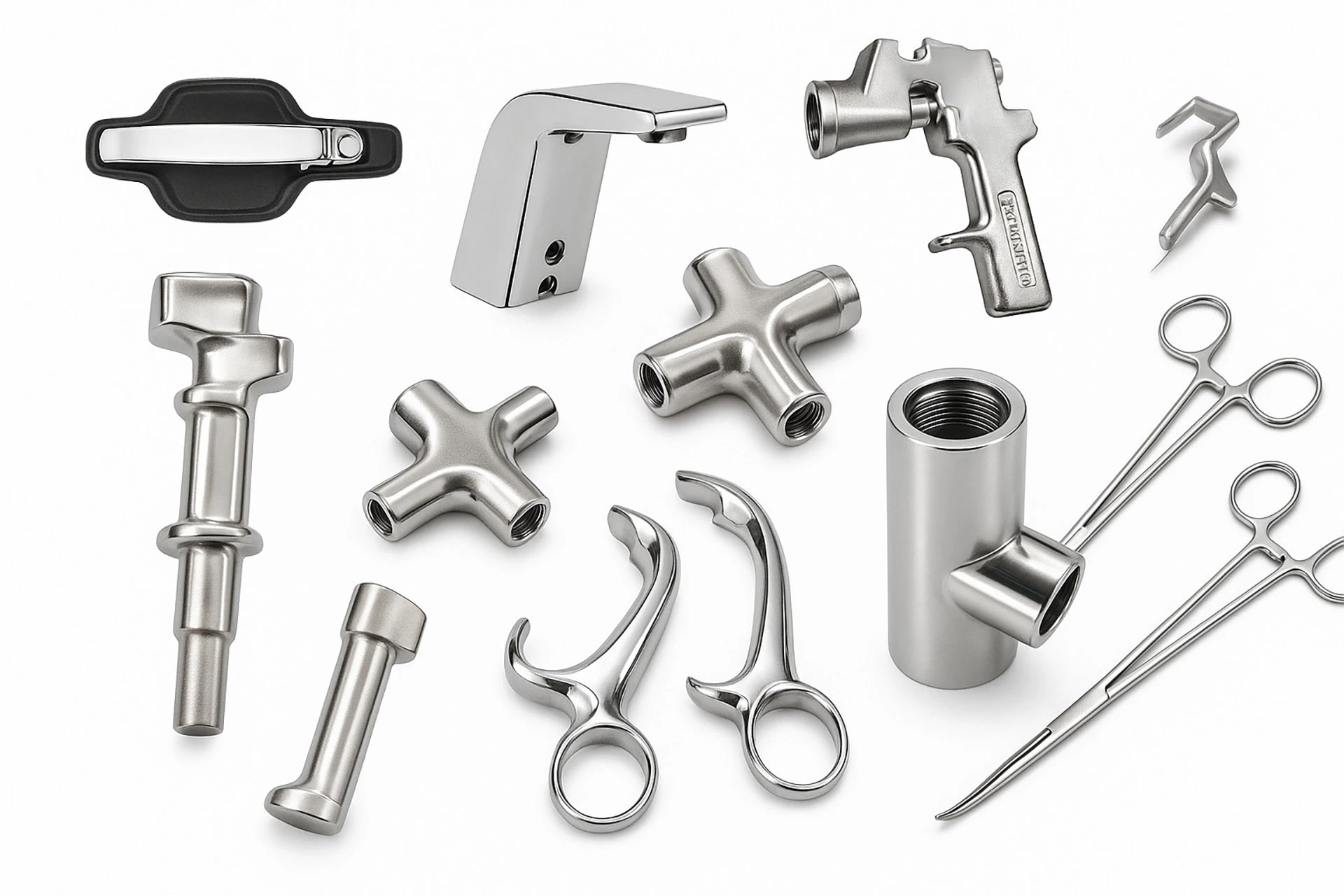
Robotic polishing lines are widely used in industries such as:
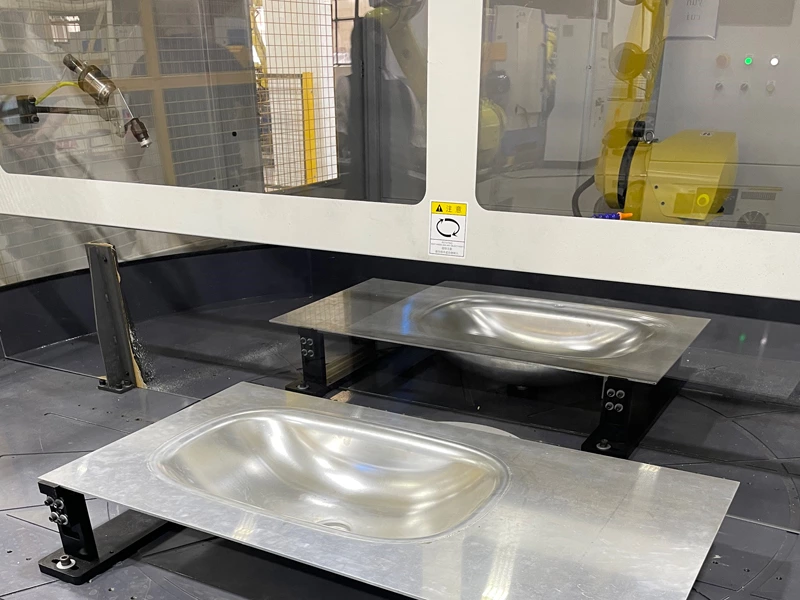
- Stainless steel sinks and kitchenware
- Automotive parts (e.g., exhaust systems)
- Medical equipment components
- Bathroom hardware
- Metal casting and machining parts
If your product requires a consistent surface finish, automation is a strong upgrade.
📈 Is It Worth the Investment?
For many manufacturers, the answer is yes.
Although the initial investment is higher than manual setup, the long-term benefits include:
- Reduced labor dependency
- Stable production quality
- Higher output capacity
- Lower overall production cost
Most companies see a clear return as production scales.
🔮 Future Trends
Robotic polishing systems are becoming:
- More intelligent (AI + machine vision)
- More flexible (quick changeover for different products)
- More precise (higher surface finishing standards)
Automation is no longer optional — it’s becoming the industry standard.
📩 Looking to Automate Your Polishing Process?
At Kingstone Robot, we provide customized robotic polishing solutions based on your product and production needs.
👉 Contact us today to discuss your project and get a tailored solution.